TL;DR: The Michelin Guide’s Bib Gourmand category highlights excellent food under a set price point (around ₩45,000 per person in Seoul) rather than fine-dining splurges. Gwanghwamun and Jongno — the neighborhoods surrounding Gyeongbokgung Palace — have five Bib Gourmand picks within easy walking distance of the palace and Insadong: a Shandong-style beef noodle soup shop, a Japanese ramen spot, a decades-old buckwheat noodle institution, a 1937 hangover-soup restaurant open 24 hours, and a Chuncheon-style spicy chicken place.
I’ll take a Bib Gourmand list over a Michelin-starred one almost every time when I’m traveling somewhere new. Star restaurants are impressive, but they’re not really how a city eats day to day. Bib Gourmand picks are the opposite — they’re the places locals actually queue for on a regular Tuesday, at prices that don’t require planning around them. Gwanghwamun and Jongno are a great test case for that idea: the neighborhood carries the history of Gyeongbokgung Palace and the old royal district on one side, and one of Seoul’s densest office areas on the other, so decades-old institutions and everyday lunch spots for office workers end up sitting on the same block.
Here are five Bib Gourmand-recognized restaurants in the area, chosen to cover a real range — a nearly 90-year-old hangover soup institution, Chinese-style beef noodles, Japanese ramen, Korean buckwheat noodles, and Chuncheon-style chicken — all within walking distance of Gyeongbokgung, Insadong, and Cheonggyecheon Stream.
A quick note before diving in: Michelin’s Bib Gourmand selections are reviewed annually, and restaurant status can change year to year. Confirm current status on the official MICHELIN Guide site before visiting, especially if it’s the deciding factor in your trip.
1. Jinjung Woo Yuk Myeon Gwan, Gwanghwamun — Shandong-style beef noodle soup
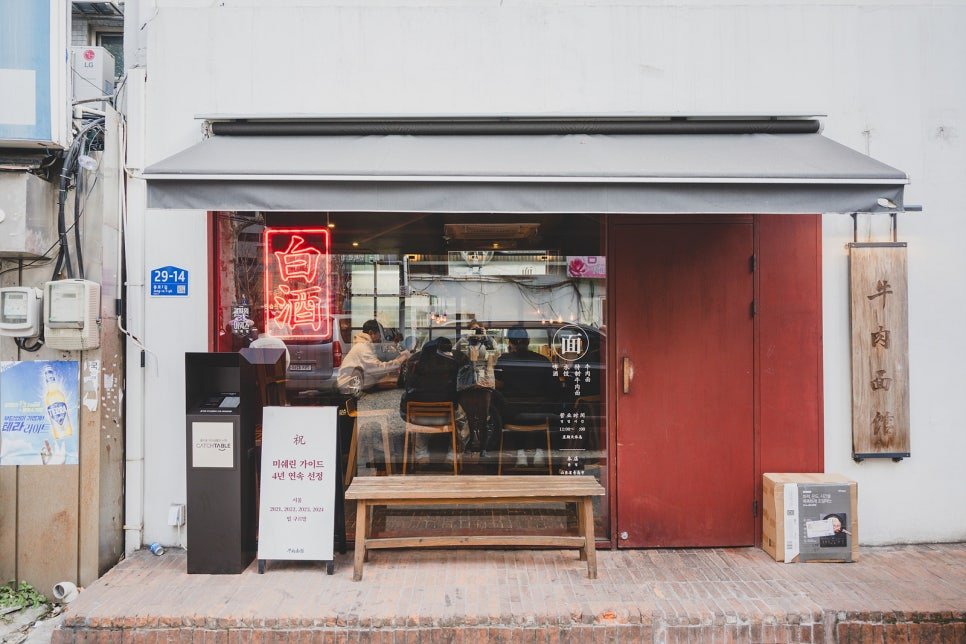
Jinjung Woo Yuk Myeon Gwan specializes in beef noodle soup made using a recipe rooted in China’s Shandong province. The broth simmers for 48 hours, landing rich but clean rather than heavy, and the menu stays tight — beef noodle soup, hand-made dumplings, and pickled cucumbers, with no attempt to pad it out. This Gwanghwamun location is a branch of the original near Cheonggyecheon Stream, and it’s held its Bib Gourmand recognition for multiple years running.
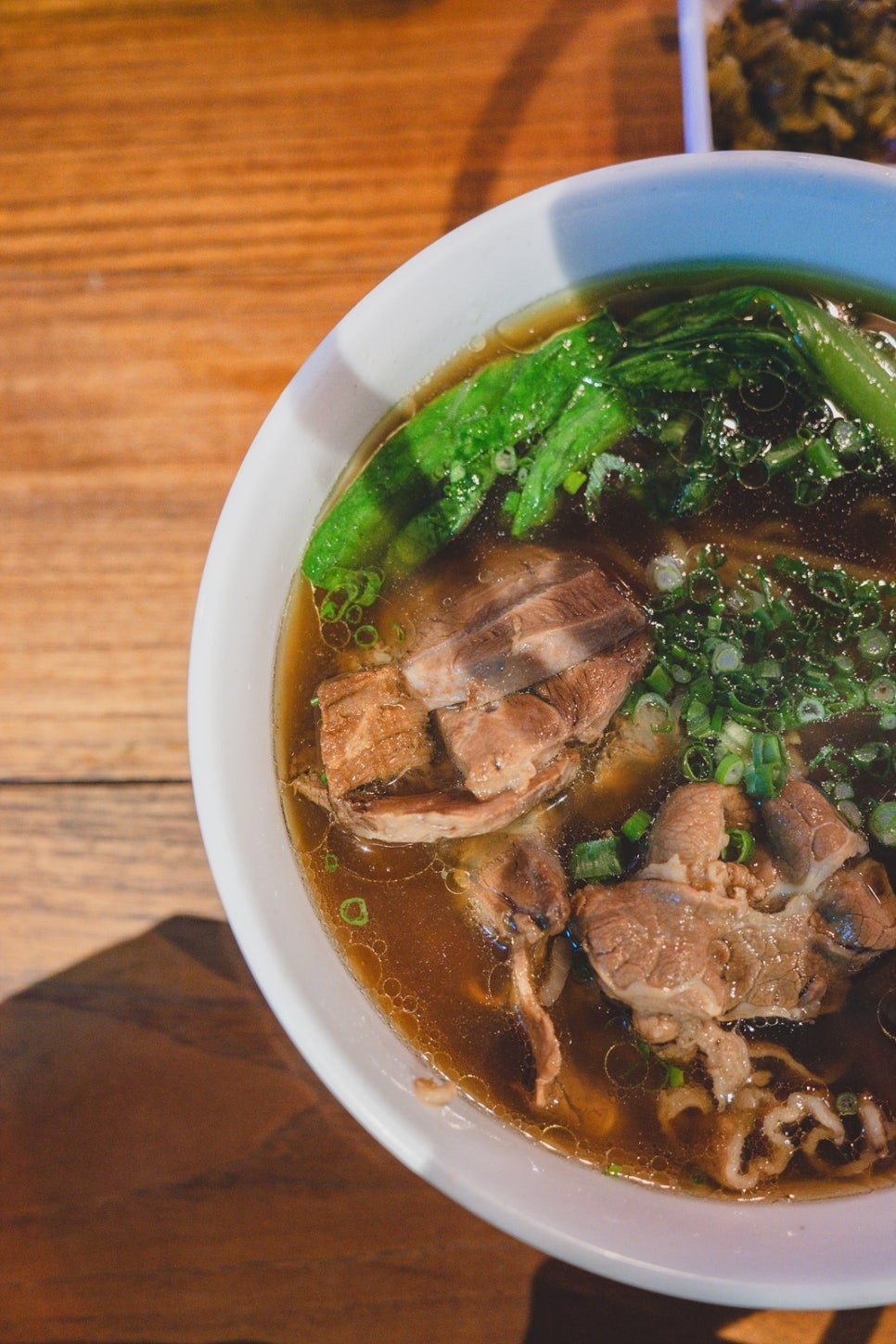
The broth has real depth from the long simmer, and the beef comes cut in varying thicknesses that work well with the thick broth. One small gripe: there’s no free noodle refill, which stings a little once you’ve finished a bowl and there’s still good broth left in it.
Best for: Travelers nursing a hangover from the night before, or anyone who wants a hearty, filling bowl.
Address: 1F, 29-14 Jongno 7-gil, Jongno-gu, Seoul
Hours: Mon–Fri 11:00 AM–3:00 PM / 4:30–10:00 PM; Sat–Sun 11:00 AM–10:00 PM (no weekend break)
Parking: Not available
2. Oreno Ramen, Insa — pai-tan chicken broth, 3 consecutive years on the list
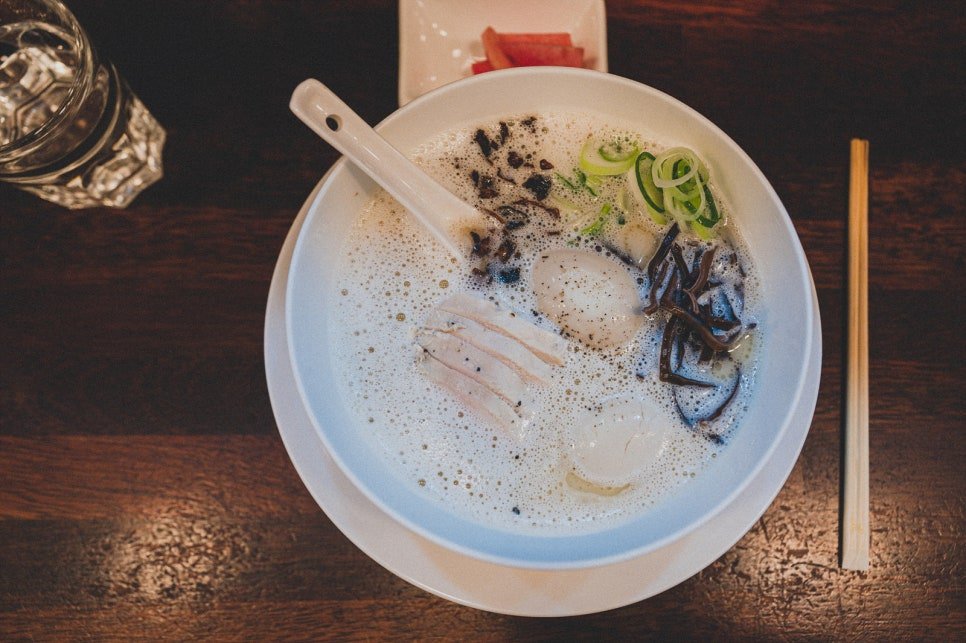
Oreno Ramen’s broth is whisked right before serving to build a creamy, frothy texture, made from chicken simmered whole into a rich pai-tan-style broth. It’s paired with house-made noodles, tender chicken, kelp, and egg. There’s a spicy option if you want it, and noodles, rice, and broth are all free to refill — a genuinely good deal if you’re hungry. Despite regular lines, turnover is fast enough that the wait usually doesn’t drag. It’s held its Bib Gourmand spot for three consecutive years.
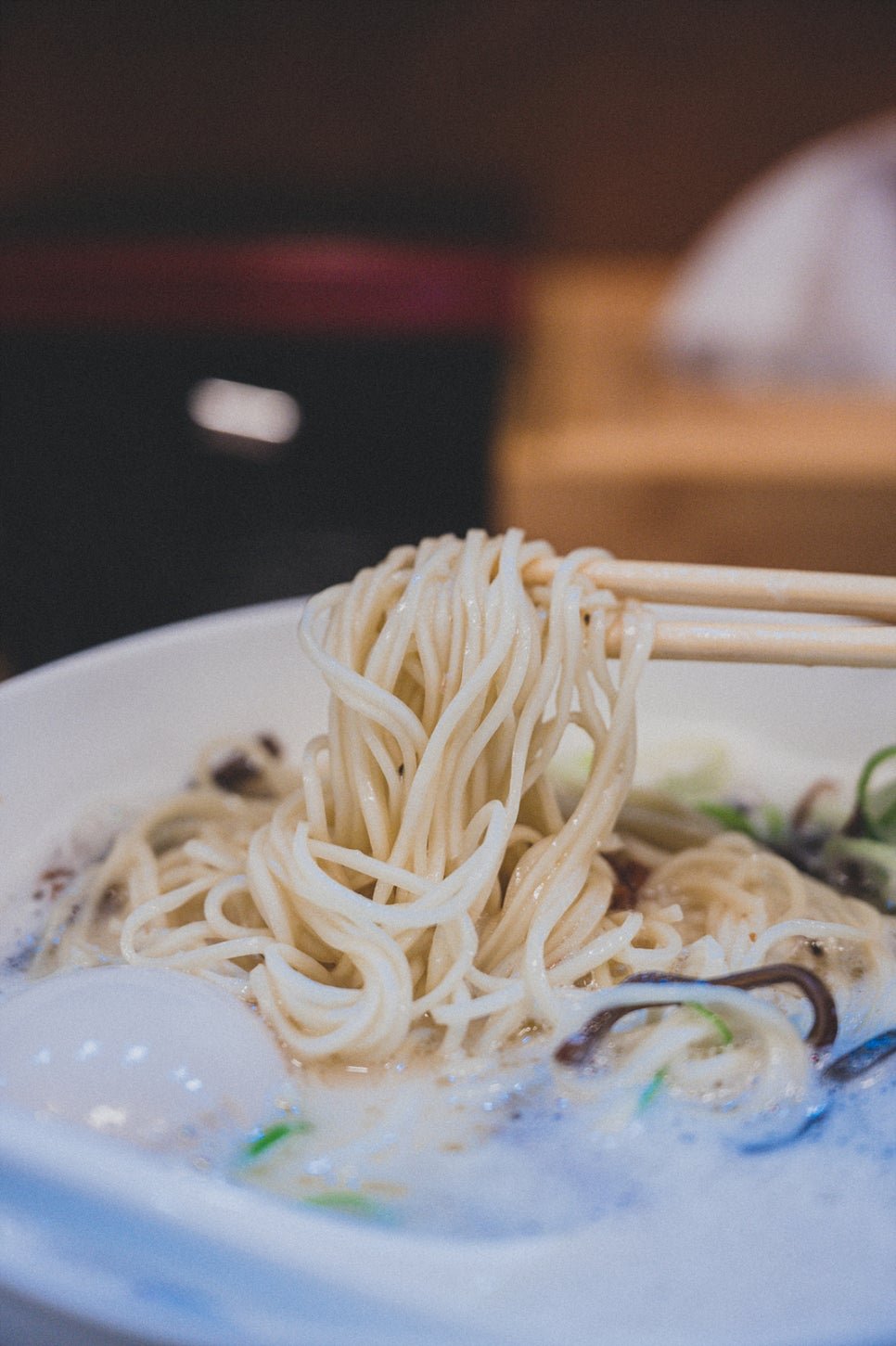
In person, I found the seating tight — it’s mostly counter-style, so a long wait is common — and the broth leans milder than I expected. If you’re not a fan of a really delicate, restrained flavor, the kimchi on the table helps round it out.
Best for: Travelers who want an authentic, not-overly-seasoned Japanese ramen and don’t mind waiting for it.
Address: 1F, 49-4 Yulgok-ro, Jongno-gu, Seoul
Hours: 11:30 AM–3:00 PM / 5:00–8:30 PM (break 3:00–5:00 PM)
Parking: Not available
3. Gwanghwamun Mijin — a Korean buckwheat noodle standard since 1954
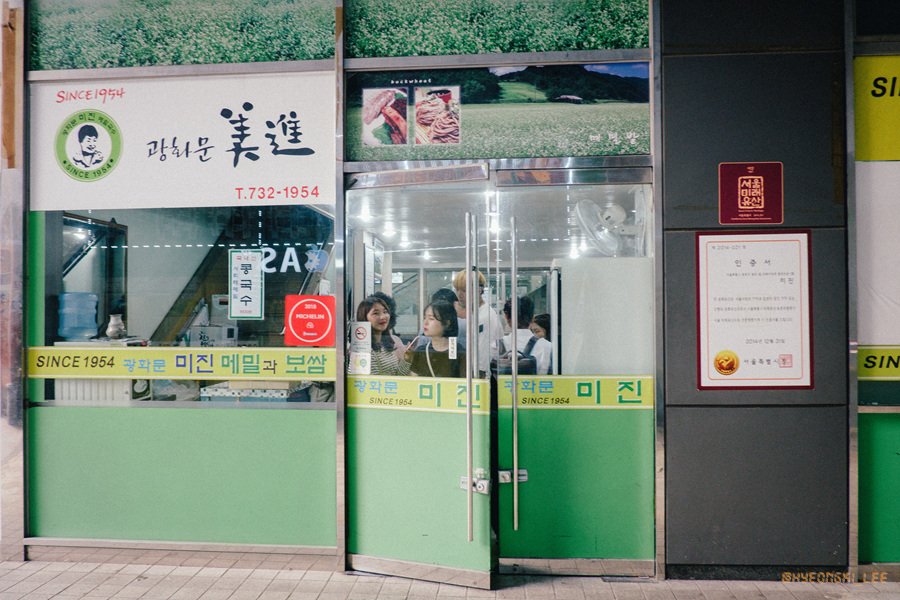
Mijin has anchored the Gwanghwamun area since 1954, serving Korean-style cold buckwheat noodles (memil-guksu) with a soy-based dipping broth that’s noticeably richer than a Japanese soba tsuyu, paired with a chewier buckwheat noodle. The restaurant makes both the broth and the noodles in-house, in a basement production space, so what reaches your table is made same-day. Each table gets a generous pitcher of the cold broth along with noodle garnishes you can adjust to taste. The buckwheat pancake — filled with bean sprouts, tofu, sour kimchi, and pork — is another signature, and it’s available in a half-portion if you don’t want a full order.
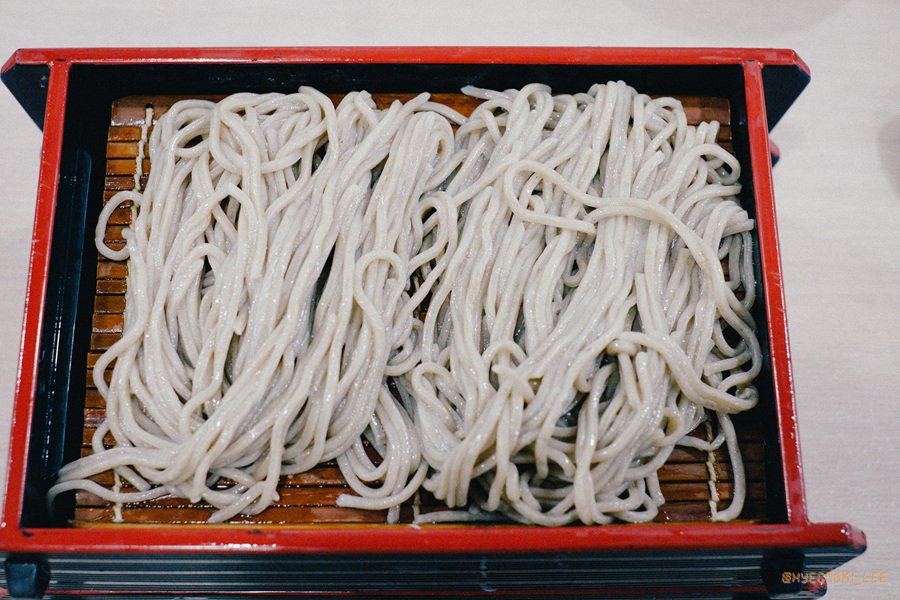
There’s also a branch in a well-known shopping mall, but having tried both, I’d point you to the original location for the better version. Peak summer lunch hours can mean a 30-minute wait, so an early dinner slot is a good workaround.
Best for: A light but satisfying cold noodle meal on a hot day, or anyone curious about a restaurant with decades of history behind it.
Address: #117, Le Meilleur Jongno Town, 19 Jong-ro, Jongno-gu, Seoul
Hours: 10:00 AM–9:30 PM
Parking: Available (free, 2 hours)
4. Cheongjinok — a 1937 institution and the origin point for Jongno’s hangover soup
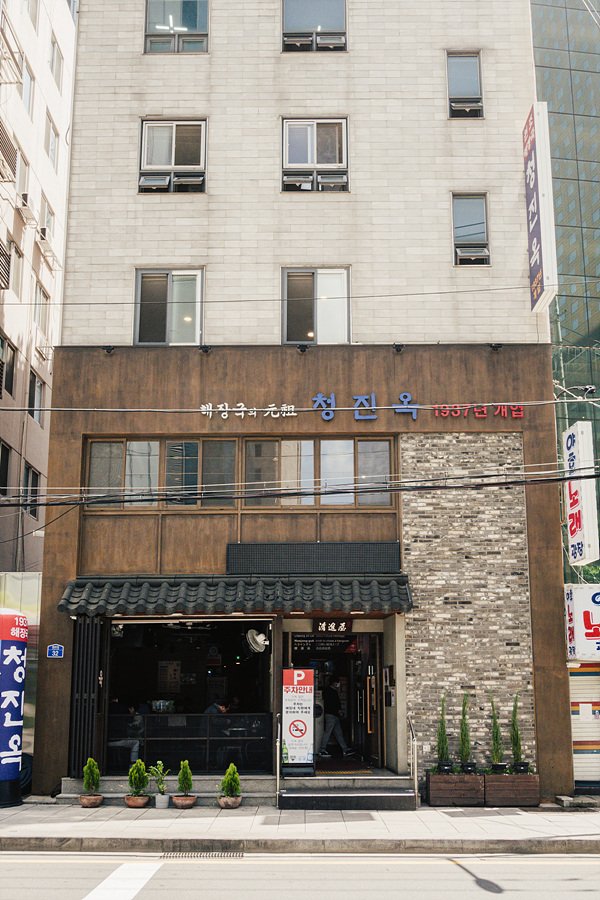
Cheongjinok opened in 1937 and is now run by the third generation of the same family — widely considered the originator of Jongno’s hangover soup (haejangguk) tradition. It’s open 24 hours a day, and the broth is simmered from beef bones for over 24 hours, with doenjang (fermented soybean paste) added to round out any gamey edge. It first appeared in the Michelin Guide in 2011 and has held its Bib Gourmand status since.
What struck me most here wasn’t the food itself but the broth’s continuity — the restaurant originally sat in the old Pimatgol alley and relocated when the area was redeveloped, but they carried their mother broth (a continuously replenished base stock) with them. There’s a story that they kept that broth going even during the Korean War. The mixed platter of boiled meats and pan-fried items also works well as a daytime drinking snack. The building itself is new construction from the redevelopment, so don’t expect old-restaurant atmosphere — this is a place to appreciate through the broth and its history, not the interior.
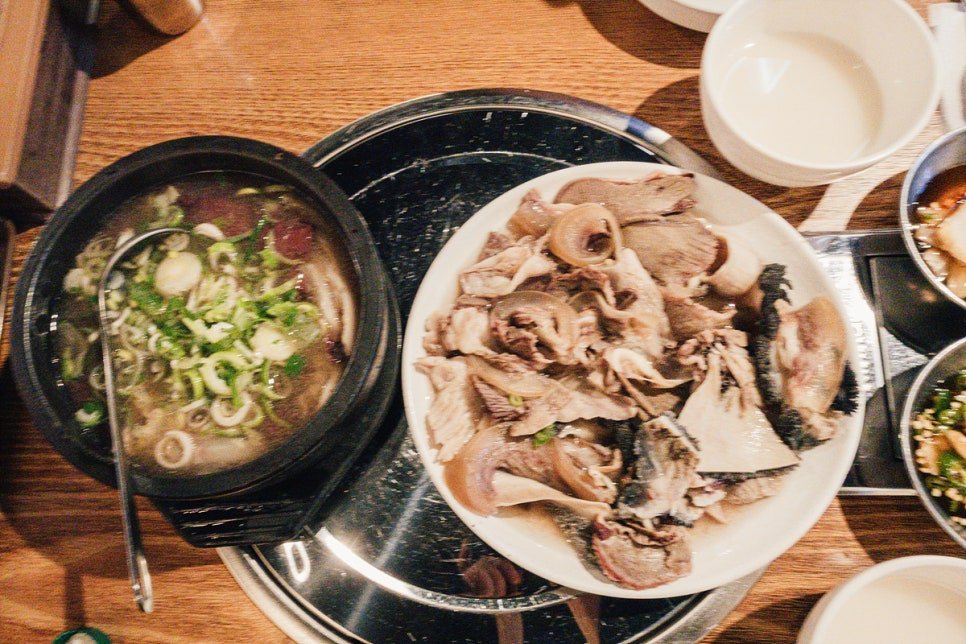
Best for: Hangover recovery, or pairing daytime drinks with a restaurant that’s been doing this for almost 90 years.
Address: 32 Jongno 3-gil, Jongno-gu, Seoul
Hours: Open 24 hours
Parking: Available (Le Meilleur building)
5. Ogeunnae 5 Dakgalbi, Annyeong Insadong — Chuncheon-style spicy chicken, a rarity in this neighborhood
Ogeunnae Dakgalbi takes its name from an old regional name for Chuncheon, the city famous for this dish, and specializes in Chuncheon-style dakgalbi (spicy stir-fried chicken). It uses only fresh domestic chicken thigh meat and a proprietary sauce made without added water, aiming for a tender, springy texture. The brand first earned Bib Gourmand recognition in 2018 and has kept it since. (Worth noting: the Michelin Guide’s description covers the brand’s overall recipe and approach rather than one specific address — the location covered here is the fifth branch, Annyeong Insadong.)
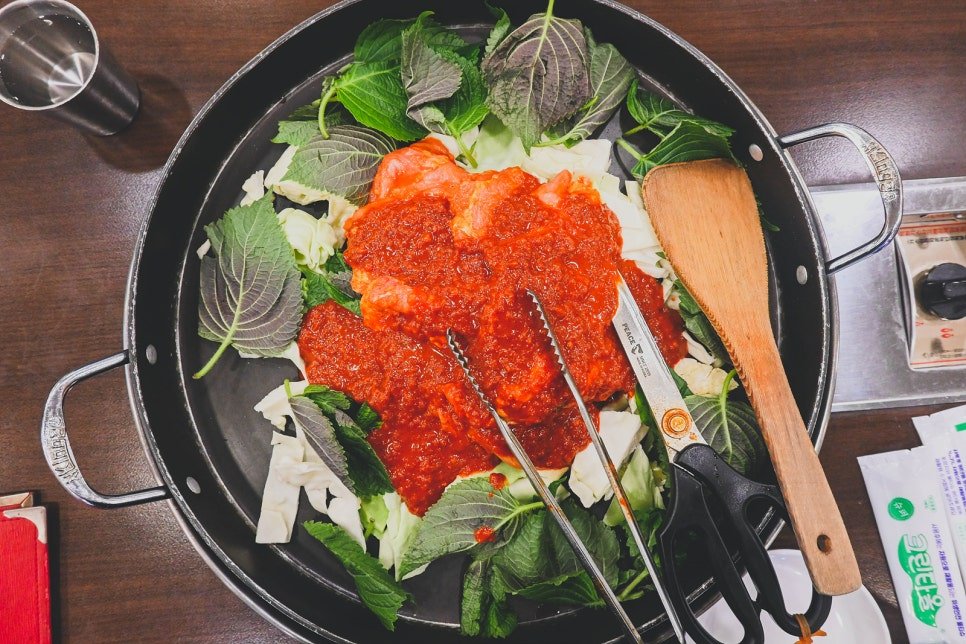
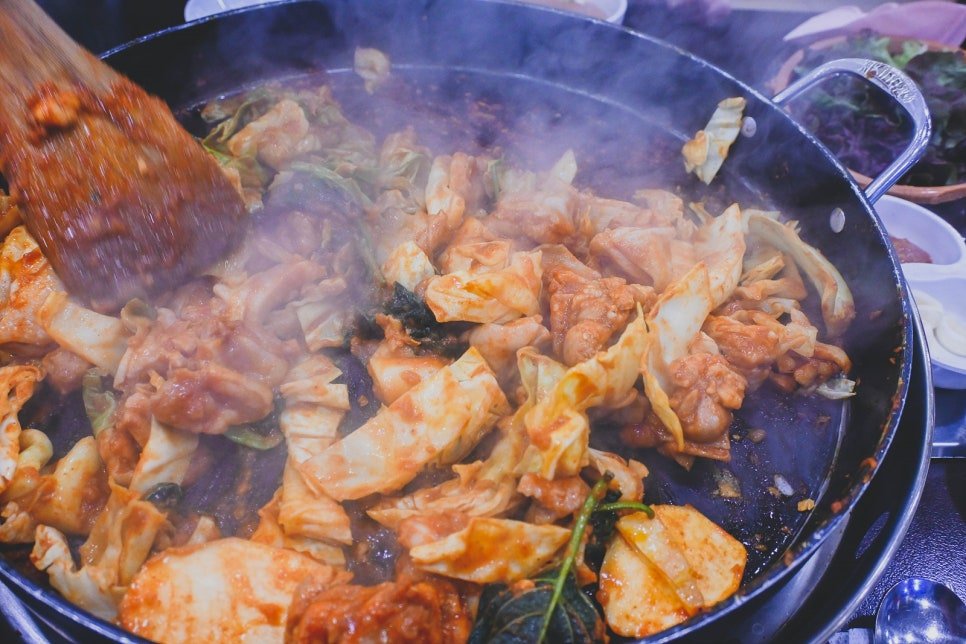
Good dakgalbi is surprisingly hard to find in the Gwanghwamun area, so this fills a real gap. The thin cooking plate gives it a char you don’t get everywhere, and the sauce leans more balanced than fiery. One practical note: the smell tends to stick to your clothes for a while afterward, worth keeping in mind if you have somewhere else to be on public transit right after.
Best for: A milder take on spicy dakgalbi, or a group dinner spot after a day around Insadong and Gyeongbokgung.
Address: 49 Insadong-gil, Jongno-gu, Seoul
Hours: 11:00 AM–3:30 PM / 4:30–10:00 PM
Parking: Available (30 minutes free)
The real appeal of an old district’s food scene
Looking at these five together, there’s a pattern worth noting: a nearly 90-year-old hangover soup institution and a decades-old buckwheat noodle shop sit in the same few blocks as a Chinese beef noodle spot, a Japanese ramen shop, and Korean-style dakgalbi. That mix isn’t an accident — a neighborhood that’s simultaneously a former royal district and Seoul’s densest office area is going to end up with both restaurants that never left and newer ones that found their footing anyway.
If your day already has you walking around Gyeongbokgung, Insadong, or Cheonggyecheon, none of these five requires much of a detour. My own instinct: something heavy like the beef noodle soup or hangover soup before a palace visit, and ramen or dakgalbi after a walk through Insadong. All five have been vetted by the Michelin Guide, so the odds of a bad meal are low — and you get a bit of that old-restaurant history along with the food, which is the real draw of a Bib Gourmand list like this one.
FAQ
Q: What does “Bib Gourmand” actually mean, as opposed to a Michelin star?
A: It’s a separate category from starred restaurants — Bib Gourmand recognizes good food at a reasonable price (roughly ₩45,000 or less per person in Seoul), rather than the higher-end cooking and pricing that stars represent.
Q: Are these restaurants within walking distance of each other?
A: Yes — all five sit within a walkable radius of Gwanghwamun, Jongno, and Insadong, so you can realistically combine two of them with a palace visit in the same day.
Q: Do any of these take reservations?
A: Bib Gourmand restaurants at this price point in Korea typically don’t take reservations — expect to queue, especially at peak lunch hours (12:00–1:00 PM) for the more popular spots like Mijin and Oreno Ramen.
Q: Is Bib Gourmand status permanent once a restaurant earns it?
A: No — the Michelin Guide reviews and republishes its Seoul selections annually, so status can change. Check the current year’s guide before your trip if it matters to your plans.
Bottom Line
If you’re building a day around Gyeongbokgung Palace, Insadong, or Cheonggyecheon, this list gives you a low-risk way to eat well without hunting through generic “best restaurants in Seoul” round-ups. None of these are secret — they’re all Michelin-recognized — but they’re also genuinely part of how this neighborhood eats, not restaurants built for tourists. Pick one or two based on your day’s schedule and you’ll walk away with a solid meal and a bit of the neighborhood’s history along with it.