TL;DR: Seongsu-dong is a former industrial neighborhood — think exposed brick warehouses and factory buildings — that’s been converted into Seoul’s densest concentration of specialty cafes, rotating brand pop-up stores, and design/lifestyle select shops. Foreign visitor numbers here nearly tripled in just six months. It rewards wandering more than a checklist, but come knowing that pop-ups change monthly, so what’s here today may be gone by your trip.
I’ve been walking these streets on and off for a while now, mostly chasing cafes and whatever pop-up happened to be running that week, and the pace of change here still catches me off guard. Seongsu-dong isn’t a neighborhood with a fixed set of attractions — it’s a neighborhood that reinvents its storefronts every few weeks, which is exactly why it’s worth understanding before you just show up and wander.
Why Seongsu-dong, and why now
This used to be a shoe-manufacturing and warehouse district — low brick buildings, factory floors, printing shops. Over the last several years, brands and cafe owners have moved into those same buildings without gutting the industrial shell, and the result is a neighborhood that looks like nowhere else in Seoul: raw concrete, exposed pipes, factory-scale ceilings, dressed up with genuinely excellent coffee and design.
The numbers back up what it feels like on the ground — foreign visitor traffic to Seongsu-dong roughly tripled in about six months, and it’s become one of the clearest examples of a Seoul neighborhood driven as much by K-content fandom and social media as by any traditional tourist attraction.
The cafe scene: specialty bakeries done seriously
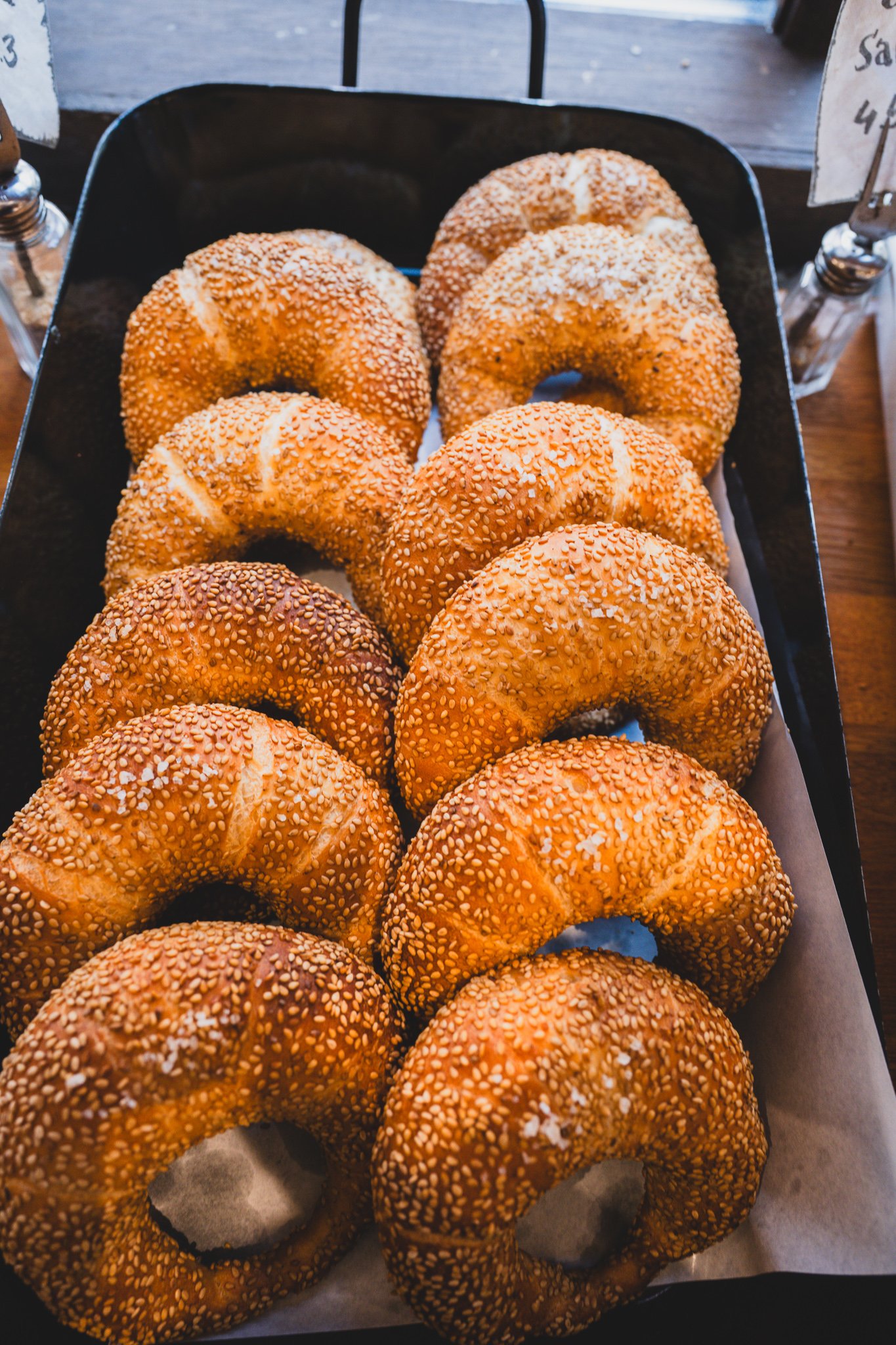
Seongsu takes its cafes seriously in a way that goes beyond aesthetics. A good example is Beton, a salt bread and coffee bakery near Seongsu Station (about a 5-minute walk from Exit 3) that’s been recognized in Korea’s Blue Ribbon Survey — a meaningful stamp of approval here. The building itself leans into a European countryside bakery look: white exterior walls, a narrow ground-floor counter, and a second floor filled with long communal tables and antique props that make it genuinely photogenic, if a little tight for a quiet conversation.
Salt breads run from about 3,900 to 5,200 KRW depending on the flavor (truffle is the most expensive), and coffee runs 5,000 KRW and up. If you visit around lunchtime on a weekday, expect a wait of roughly 30 minutes for a table — the line moves faster if you’re just ordering to go. This is the kind of spot where the bakery itself explains, on a little card by the register, why the bread is intentionally heavy — that’s the level of detail Seongsu cafes tend to operate at.
The pop-up scene: this is what makes Seongsu different
What really sets Seongsu-dong apart from other trendy Seoul neighborhoods is the sheer volume and production value of its brand pop-up stores. Seoul saw over 3,000 new pop-ups open in a single recent year, and a large share of them land in Seongsu specifically — brands treat a Seongsu pop-up as a statement, not a side project.
A few examples that give a sense of the range:
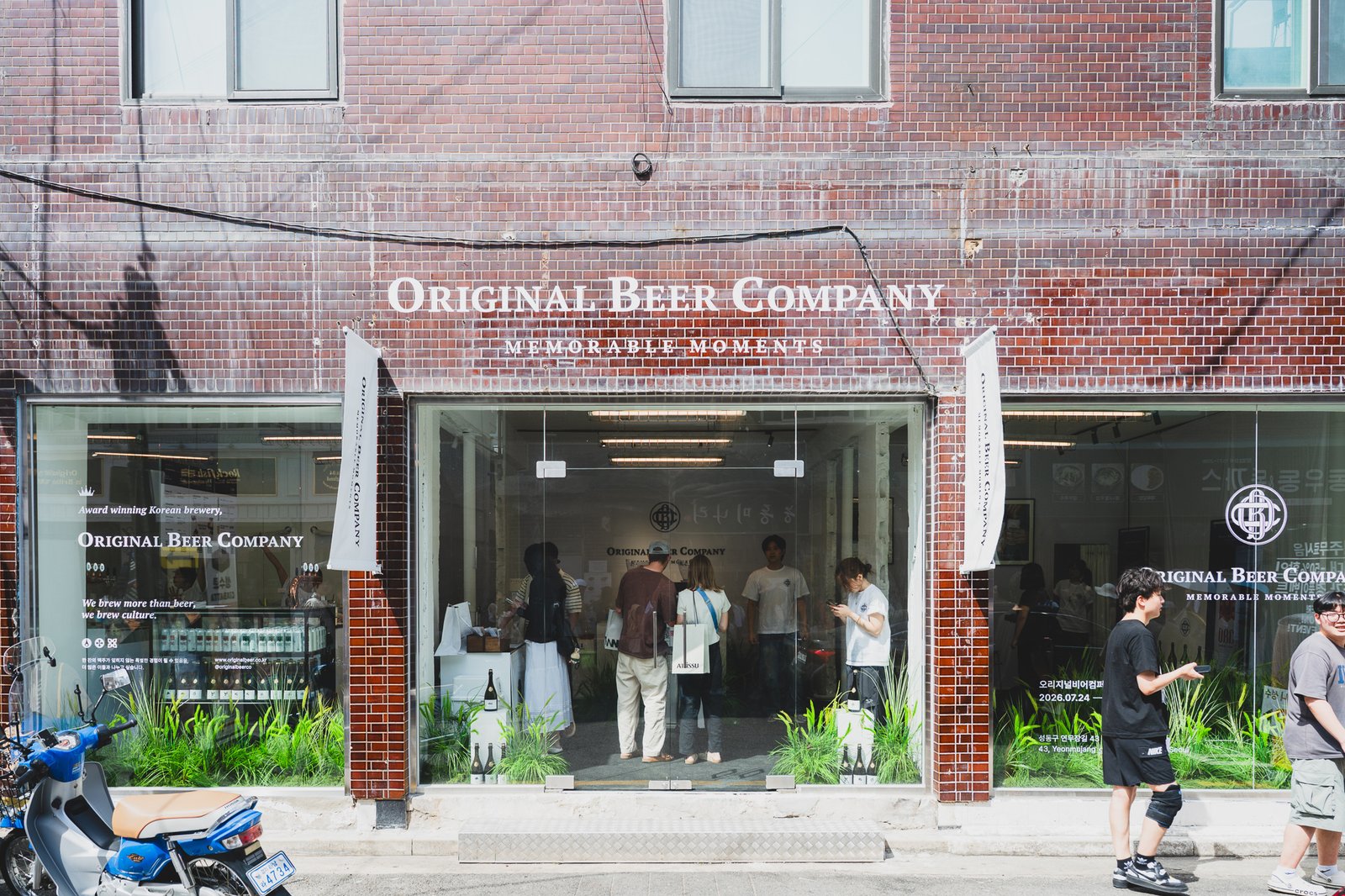
- A craft brewery pop-up (Original Beer Company) recently took over a red-brick storefront on Yeonmujang-gil, pouring drafts and selling cork-and-wax-sealed bottles that looked more like champagne than Korean craft beer — a good example of how far local breweries are pushing their branding here. It’s already wrapped up, which is a fair preview of how fast these things turn over.
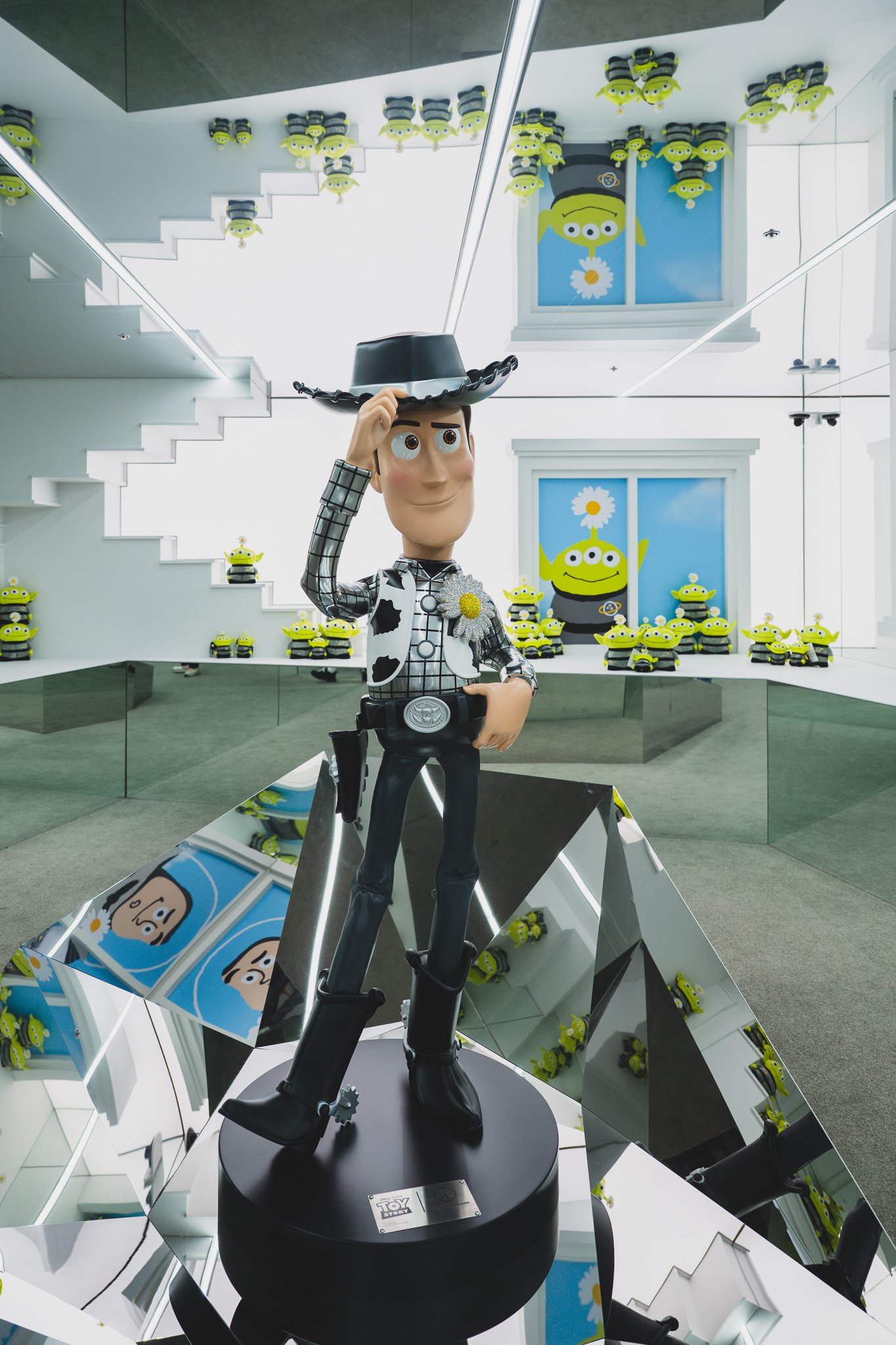
- IP collaborations are everywhere — one recent pop-up paired a British heritage toothbrush brand with the Netflix animated hit KPop Demon Hunters inside a Seongsu lifestyle select shop, complete with hanok-inspired ceramic toothbrush holders. Another paired G-Dragon’s fashion label PEACEMINUSONE with Pixar’s Toy Story characters across a two-floor pop-up requiring app-based entry.
The specific brands rotate monthly, so don’t plan a trip around any single pop-up — treat the pop-up scene itself as the attraction, and check what’s currently running closer to your travel dates.
Select shops and design stores
Alongside the cafes and pop-ups, Seongsu has a strong cluster of lifestyle select shops — multi-brand stores that curate furniture, home goods, and design objects rather than selling a single label. These stores double as the neighborhood’s most reliable pop-up hosts, since a rotating brand collaboration fits naturally into a space that’s already built around curation.
Practical tips
- Getting there: Seongsu Station (Line 2) puts you right in the middle of it — see our Seoul subway guide if you haven’t used the system yet.
- When to go: Weekday mornings are noticeably calmer than weekend afternoons, especially at popular cafes.
- Pop-ups change fast: Check social media or a quick search close to your visit date — what’s running this month may be gone by next.
- Wear comfortable shoes: This is a walking neighborhood; the appeal is in wandering between blocks, not hitting one fixed destination.
FAQ
Q: Is Seongsu-dong worth a half-day or a full day?
A: A half-day covers the main strip comfortably; a full day gives you room to actually sit down at cafes instead of just passing through.
Q: Do I need to book anything in advance?
A: Most cafes and pop-ups are walk-in, though some high-demand pop-ups require an app download and QR code for entry — check the specific pop-up’s requirements before you go.
Q: Is Seongsu-dong expensive compared to other Seoul neighborhoods?
A: Cafes and pop-up goods here skew a bit pricier than average, reflecting the design-forward positioning, but it’s not dramatically more expensive than similar trendy areas elsewhere in Seoul.
Q: What’s the closest subway station?
A: Seongsu Station on Line 2, with most of the neighborhood’s cafes and pop-ups within a 5–10 minute walk of Exits 3 and 4.
Q: Is Seongsu-dong good for solo travelers?
A: Yes — it’s an easy, low-pressure neighborhood to wander alone, with plenty of counter seating at cafes if you’re dining solo.
Bottom Line
Seongsu-dong rewards showing up without a rigid itinerary. Anchor your visit around one or two specific cafes (Beton is a solid starting point), then let whatever pop-ups are currently running fill in the rest of your afternoon — just don’t expect the same lineup to be there next time you visit.
Last updated: August 2026 — Seongsu-dong’s pop-up lineup changes monthly, so treat the specific store names above as examples of the scene rather than a current checklist.
Pingback: Elephant Bagel Seongsu: What It’s Actually Like to Visit (Menu, Prices, Hours) - SeoulScout
Pingback: Hanjungsun Seongsu: What It’s Actually Like to Visit (Full Menu, Prices, and the Dubai Chocolate Verdict) - SeoulScout