TL;DR: The AREX all-stop train is the cheapest way into Seoul at around 4,750–4,950 KRW and takes about an hour. The limousine bus (around 17,000 KRW) drops you closer to your hotel with no transfers, which is worth it if you’re carrying a lot of luggage. A taxi costs 65,000–100,000 KRW depending on where you’re headed, but it’s the only door-to-door option and the fastest if traffic cooperates.
Landing at Incheon after a long flight, the last thing you want is to stand in the arrivals hall googling “how to get to Seoul.” I’ve done this trip enough times now to have a clear opinion on it, so here’s what actually happened the last time I took the train, plus what the bus and taxi options look like for comparison.
AREX (Airport Railroad Express) — the budget option
AREX runs two kinds of trains from Incheon Airport into the city: the Express, which goes nonstop to Seoul Station, and the All-stop, which works like a regular subway line and stops at every station along the way.
I took the all-stop train from Incheon Airport station straight to Seoul Station. It cost under 5,000 KRW and took just under an hour — the all-stop line runs about 59 to 66 minutes end to end, depending on which station you board at. Compared to what a taxi would’ve cost for the same trip, it wasn’t close.
A few things that would’ve saved me time if I’d known them beforehand:
- You don’t need to buy a separate ticket if you have a T-money card. I tapped in and out just like a normal subway ride, no ticket machine line required. If you don’t have one yet, you can buy and top one up at the convenience stores right outside the arrivals gate.
- Signage to the AREX platform is well marked, but it’s a walk. Give yourself extra time after landing, especially if you’re jet-lagged and moving slowly with bags.
- The all-stop train gets more crowded the closer you get to Seoul Station, since it picks up local passengers along the way. If you’re stacked with luggage, this is worth knowing before you board.
If your priority is saving money and you don’t mind a bit more time and a few stops, this is the one to take.
AREX Timetable
You don’t need to plan around this too tightly — both trains run often — but it helps to know the edges of the schedule, especially if you’re landing early or catching a red-eye home. Note that the all-stop train’s schedule genuinely differs between weekdays and weekends/holidays (Korea’s airport rail authority revised the timetable in late 2025), so treat these as a general guide and double-check same-day times on the AREX website if your trip depends on a specific train.
Express train (same schedule on weekdays, weekends, and holidays):
| First train | Last train | Frequency | |
|---|---|---|---|
| From Terminal 1 | 05:24 | 22:48 | Every 30–40 minutes |
| From Terminal 2 | 05:16 | 22:40 | Every 30–40 minutes |
All-stop train:
| Weekdays | Weekends / Holidays | |
|---|---|---|
| First train | ~05:14 | ~05:14–05:20 |
| Last train | ~23:38 | Roughly 10–20 minutes earlier |
| Frequency | Every 5–6 min at rush hour (7:30–8:30am, 6–7pm), ~15 min off-peak | Slightly wider gaps than weekday off-peak |
If you land after 11pm, the all-stop train is often your only train option left — the Express stops running earlier. Miss both, and it’s a bus or taxi.
Checking real-time departures: Google Maps has a reputation for being unreliable in Korea — and that’s true for driving directions, bus routes, and local business info, which are restricted here for national security reasons. Subway and train routing is the exception, though: Seoul’s transit authority publishes that data openly, so Google Maps can actually pull up AREX times reasonably well. That said, for the most accurate real-time departures and the widest transit coverage overall, Naver Map is the better app to have installed — it’s the one locals actually use.
Limousine Bus — direct to your neighborhood
If your hotel isn’t near a subway station, or you just don’t want to deal with stairs and transfers after a long flight, the airport limousine bus is the better call. Route 6015, for example, runs to Myeongdong and Namdaemun — both popular areas to stay — and costs around 17,000 KRW for adults.
Travel time is normally 70 to 90 minutes, but that can stretch to 90–120 minutes during rush hour (roughly 7–9am and 5–8pm) or weekend afternoons, especially crossing the Han River. You can pay by tapping a T-money card, WOWPASS, or credit card as you board — no need to buy anything in advance.
The upside here is obvious: the bus drops you close to where you’re actually staying, and your luggage goes underneath instead of getting hauled through subway transfers. The downside is that it’s slower and more expensive than the train, and traffic can make the wait unpredictable.
Taxi — fastest door-to-door, priciest
A taxi is the only truly door-to-door option, and if traffic is light, it’s also the fastest — usually around 60 to 70 minutes to central Seoul. But it’s also by far the most expensive: expect somewhere between 65,000 and 100,000 KRW depending on your destination, plus the Incheon Bridge toll (about 7,600 KRW) if your driver takes that route. Fares are metered, not fixed, so the total depends on distance and how bad traffic is that day. If you’re arriving late at night, there’s also a 20–40% surcharge between 10pm and 4am.
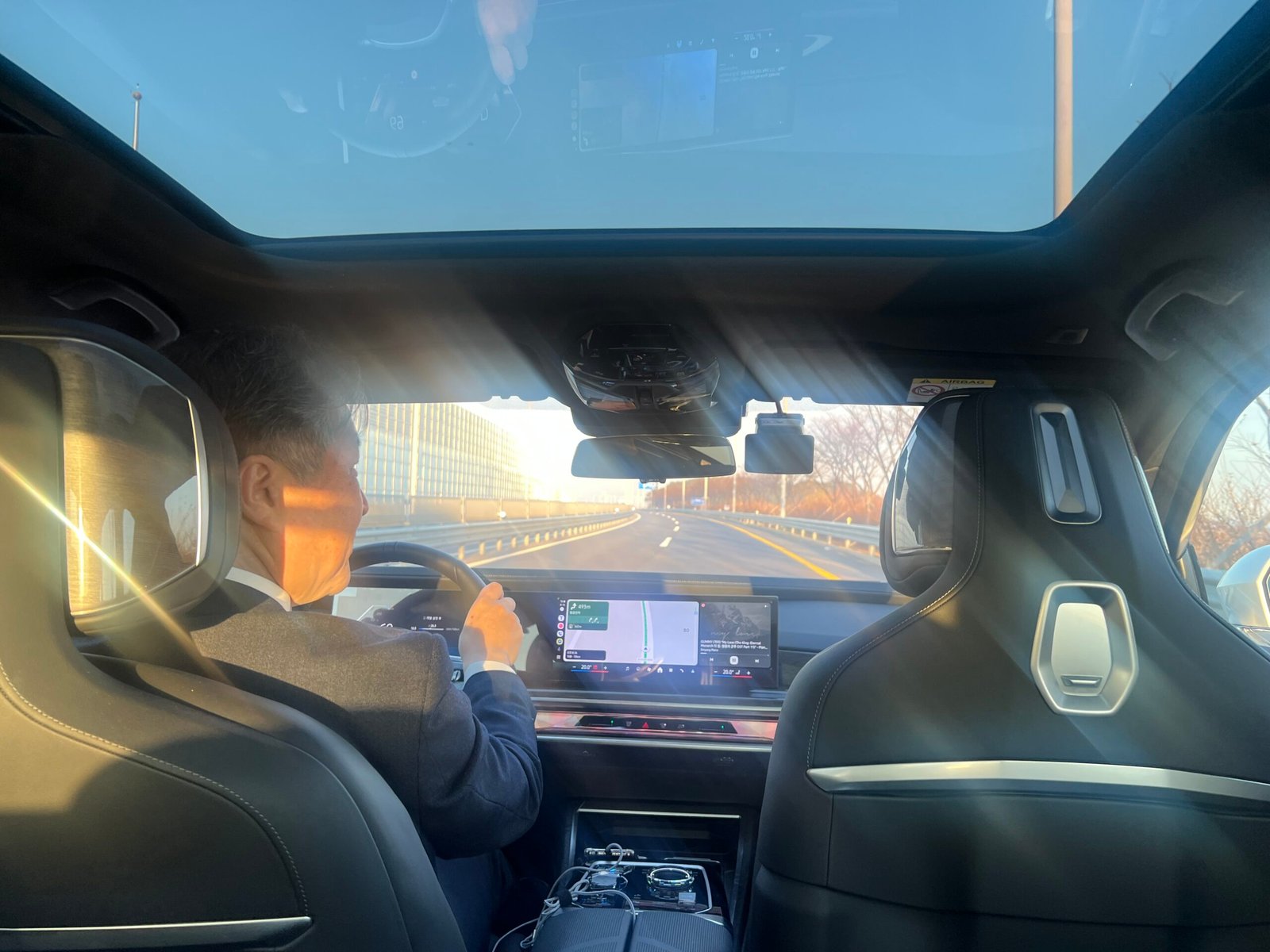
Taxis make the most sense if you’re traveling with a group and splitting the cost, arriving very late at night when buses have stopped running, or you just want the least effort possible after a long flight.
Which one should you take?
- Traveling solo or on a budget, don’t mind one transfer? Take the AREX all-stop train.
- Staying somewhere without an easy subway connection, or traveling with a lot of luggage? Take the limousine bus.
- Arriving late at night, traveling in a group, or just want zero hassle? Take a taxi.
Prefer to skip the guesswork and have a ride booked before you land? Browse Incheon Airport transfer options on Klook →
FAQ
Q: Do I need to book AREX tickets in advance?
A: No. You can simply tap in with a T-money card or buy a single-journey ticket from the machines at the station — no reservation needed for the all-stop train.
Q: Is the AREX Express train worth the extra cost over the all-stop train?
A: If your destination is Seoul Station itself and you value speed over price, yes. Otherwise, the all-stop train covers more destinations directly and costs less.
Q: Can I use T-money on both the train and the limousine bus?
A: Yes — T-money works on the AREX all-stop train and on the limousine buses, so one card covers both options.
Q: Is it safe to take a taxi from Incheon Airport at night?
A: Yes, official airport taxis are metered and regulated. Just expect the 20–40% late-night surcharge between 10pm and 4am.
Q: What’s the cheapest way to get from Incheon Airport to Seoul?
A: The AREX all-stop train, at roughly 4,750–4,950 KRW.
Bottom Line
If you’re only optimizing for cost, take the AREX all-stop train — that’s what I did, and it got me into the city in under an hour for less than 5,000 won. If your hotel is off the subway grid or you’re hauling a lot of luggage, the limousine bus is worth the extra cost. And if it’s late, you’re in a group, or you just don’t want to think about it after a long flight, grab a taxi.