TL;DR: Jeju is about an hour by flight from Seoul (Gimpo Airport), with flights running every 15–30 minutes and round-trip fares roughly 50,000–150,000 KRW if booked a few weeks ahead. Budget at least 2–3 full days on the island. One important catch: Jeju’s visa-free entry only applies if you fly there directly from outside Korea — if you’re already in Seoul and connecting domestically, your regular Korean visa/K-ETA status applies instead, not a separate Jeju exemption.
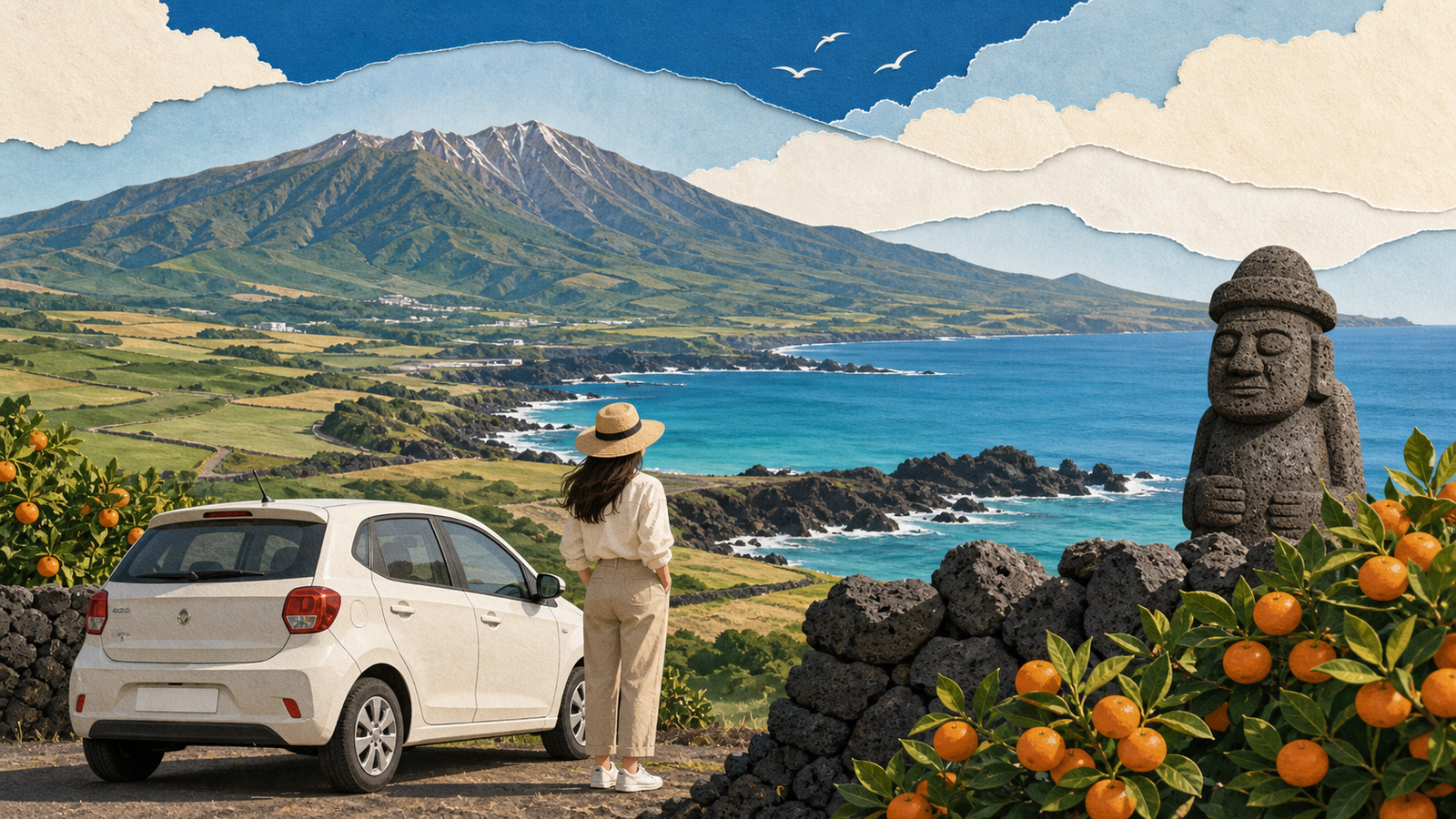
Jeju gets pitched as Korea’s answer to a tropical getaway, and the volcanic, coastal landscape genuinely does feel like a different country from Seoul — which is exactly the appeal if you have the extra days to spare.
Getting there
By flight: the fastest and most common option, taking about an hour from Seoul’s Gimpo Airport, with departures every 15–30 minutes throughout the day — genuinely closer to a shuttle service than a typical flight schedule. Round-trip fares run roughly 50,000–150,000 KRW, with the lower end more achievable if you book 3–4 weeks ahead.
By ferry: an alternative from Mokpo (about 4.5 hours) or Wando (about 2.5 hours) on Korea’s south coast. Note that the Incheon–Jeju ferry route is currently suspended, so if you’re starting from the Seoul area, flying is by far the more practical option.
The visa rule that trips people up
Jeju is technically a visa-free zone for citizens of most countries, allowing stays of up to 30 days — but this exemption only applies if you fly directly into Jeju from outside Korea. If you’re arriving in Seoul first (via Incheon or Gimpo) and then taking a domestic flight to Jeju, you’re already operating under Korea’s standard visa-free or K-ETA rules (see our visa/K-ETA guide) — there’s no separate Jeju-specific benefit kicking in at that point. For most travelers doing a Seoul-plus-Jeju trip, this distinction doesn’t change anything practical, but it’s worth understanding so you’re not confused by outdated “Jeju is visa-free!” claims that don’t apply to your actual routing.
How many days to budget
Two to three full days is the commonly recommended minimum — enough time to see a genuine cross-section of the island (coast, volcanic landscape, at least one major hike) without feeling rushed. If Jeju is a side trip from a longer Seoul-based itinerary, treat it as its own mini-trip rather than trying to squeeze it into a single day, given the flight time on both ends.
What to actually do there
- Hallasan — South Korea’s tallest mountain, a dormant volcano at the island’s center, and the anchor hiking destination for anyone spending real time on Jeju.
- Seongsan Ilchulbong (Sunrise Peak) — a dramatic volcanic tuff cone rising straight out of the coastline, one of Jeju’s most iconic single images.
- Manjanggul Lava Cave — a walkable lava tube, an easy way to see a genuinely different side of the island’s volcanic geology without a serious hike.
- Black pork BBQ — Jeju’s signature food experience, distinct enough from mainland Korean BBQ to be worth seeking out specifically.
- Beaches and cafes — Jeju’s coastline has developed a real cafe culture of its own in recent years, worth building slower afternoons around if hiking isn’t your main draw.
Prefer not to rent a car? A guided day tour covers Seongsan Ilchulbong and other south/west coast highlights with transport included. See the Jeju day tour on Klook →
Practical notes
- Renting a car is common on Jeju given how spread out the island’s attractions are — public transit exists but covers less ground efficiently than on the mainland.
- Weather can shift quickly around Hallasan specifically, so check conditions before committing to a summit attempt.
FAQ
Q: Do I need a separate visa just for Jeju?
A: No — if you’re already covered under Korea’s general visa-free or K-ETA rules (which most Seoul-based travelers will be), that coverage extends to Jeju as part of the same trip.
Q: Is Jeju worth visiting if I only have a week in Korea total?
A: It’s a genuine tradeoff — Jeju is worth it if you have flexibility, but a week-long trip that also includes Seoul may feel rushed once you add flight time and 2–3 days on the island. Consider it more seriously on a 10+ day trip.
Q: Can I do Jeju as a day trip like Busan?
A: It’s technically possible given the short flight time, but far less recommended — Jeju’s attractions are spread out enough that a single day barely scratches the surface compared to Busan’s more compact day-trip itinerary.
Q: Do I need to rent a car?
A: Not strictly required, but strongly recommended if you want to cover more than one region of the island efficiently.
Q: What’s the best season to visit?
A: Spring and fall offer the most comfortable hiking weather; summer brings peak crowds and heat, while winter can bring snow to Hallasan’s summit for a different kind of visit.
Bottom Line
Fly in from Gimpo, budget at least 2–3 full days, and don’t worry about a separate visa if you’re already covered for mainland Korea — Jeju rewards travelers who treat it as its own short trip rather than a rushed add-on.