TL;DR: Frieze Seoul 2026 runs September 2–5 at COEX in Gangnam. September 2 is invitation-only, September 3 opens to preview ticket holders from 3 PM, and September 4–5 are open to everyone from 11 AM to 7 PM. Full-price tickets range from ₩55,000 (student) to ₩750,000 (Frieze Insider) — the cheaper early-bird tiers are already sold out, so book directly through frieze.com if you’re planning to go. It’s the same COEX complex I’ve already covered for Starfield Library and a walkable day at the mall, so it’s easy to combine with a normal Coex visit.
I wrote about spending a day at Coex Mall shopping for gifts and getting coffee, but every September the convention halls attached to that same building turn into something completely different for four days: Frieze Seoul, one of the biggest contemporary art fairs in Asia. If you happen to be in Seoul in early September, it’s worth knowing this is happening even if you’re not an art person — the fair pulls in tens of thousands of visitors from dozens of countries and turns the whole neighborhood into something closer to a festival for the week.
This is its fifth edition in Seoul, and 2026 is shaping up to be the biggest yet — more than 125 galleries from over 30 countries are showing, with over 70% based somewhere in the Asia-Pacific region. Here’s what you actually need to know before you go.
Frieze Seoul 2026 at a Glance
| Dates | September 2–5, 2026 |
| Venue | COEX Convention & Exhibition Center, 513 Yeongdong-daero, Gangnam-gu, Seoul |
| Public hours | Sept 4–5: 11 AM–7 PM (Sept 3 preview from 3 PM) |
| Tickets | ₩55,000–₩750,000 depending on tier (see below) |
| Galleries | 125+ from 30+ countries |
| Nearest subway | Samseong Station (Line 2), Exit 5 or 6 |
When to Go: Dates and Ticket Tiers Explained
The four days aren’t all open to the general public the same way, which trips people up:
- Wednesday, September 2 — invitation only. Skip this one unless you already have a specific invite.
- Thursday, September 3 — open to Thursday Preview ticket holders and the general public starting at 3 PM.
- Friday, September 4 & Saturday, September 5 — open to everyone, 11 AM to 7 PM, split into a morning “First Access” slot and an afternoon slot.
Here’s what each ticket tier actually gets you and what it costs:
| Ticket | Price | What it’s for |
|---|---|---|
| Frieze Insider | ₩750,000 | Earliest access across the whole fair, plus extra programming |
| Preview Ticket | ₩250,000 | Earlier entry than the general preview |
| Thursday Preview | ₩90,000 | Entry Sept 3 from 3 PM |
| First Access | ₩90,000 | Morning entry Sept 4–5 |
| Afternoon Access | ₩70,000 | Entry from 3 PM, Sept 4–5 |
| Student (ages 7–19) | ₩55,000 | Any day, with valid ID |
A heads-up if you’re planning around this: the discounted early-bird tickets for 2026 are already sold out, so what’s currently available is full price. Buy directly through frieze.com rather than a resale site — I couldn’t find any legitimate discount or bundle deal being sold through third parties, so treat any offer like that as a red flag.
If you only have time for one visit, the Friday or Saturday First Access slot is the easiest choice for a first-timer — you get a full day, the crowd is lighter than the afternoon, and you’re not locked into an evening commitment the way the preview slots are.
Getting There: COEX in Gangnam
Frieze Seoul is held inside the COEX Convention & Exhibition Center, which is physically attached to Starfield COEX Mall — the same building I’ve walked through for the Starfield Library and for gelato and coffee stops.
Address: 513 Yeongdong-daero, Gangnam-gu, Seoul
By subway: Line 2 to Samseong Station, Exit 5 or 6, then follow the indoor passage through Millennium Plaza (about 3–4 minutes on foot, air-conditioned the whole way). Line 9 also works — get off at Bongeunsa Station, Exit 7, through ASEM Plaza.
Parking: Available in the COEX parking garage, but it’s paid and fills up fast during the fair — I’d take the subway if you have the option.
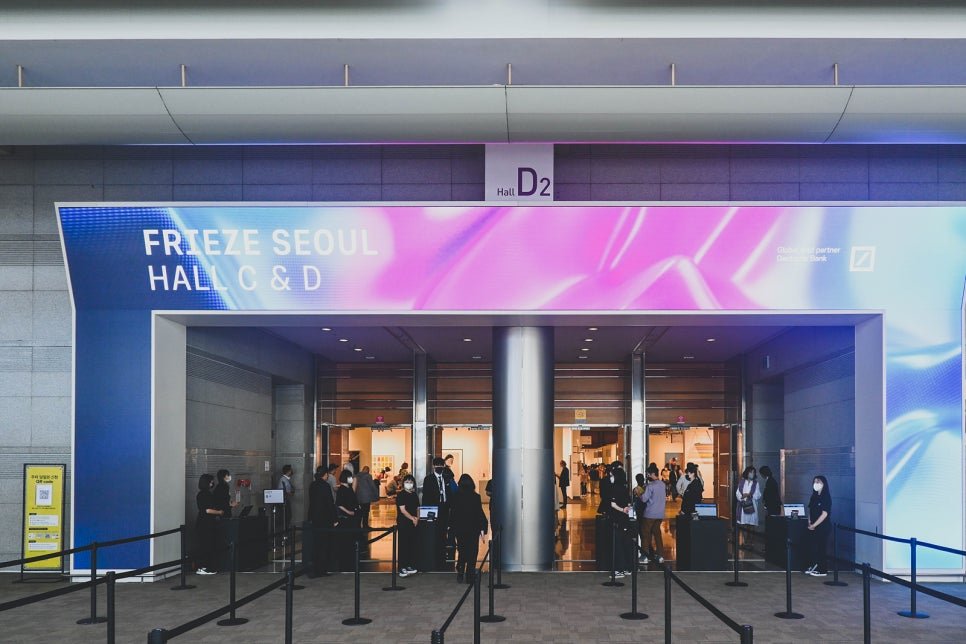
The Hall D2 entrance to Frieze Seoul — this is what you’re walking toward once you’re inside COEX.
Since you’re already at COEX, it’s worth building the rest of the day around it. I’d personally do the fair first while you have energy, then wind down at Starfield Library or one of the cafes in the mall afterward — everything is indoors, so you’re not fighting Seoul’s September humidity between stops.
Five Names Worth Seeking Out at the Booths
Frieze doesn’t publish a walkable map of “must-see” works the way a museum does — you find things booth by booth. To save you some wandering, here are five artists getting real space from major galleries this year, plus a nearby museum show if a booth glimpse leaves you wanting more.
Koo Jeong-a — PKM Gallery
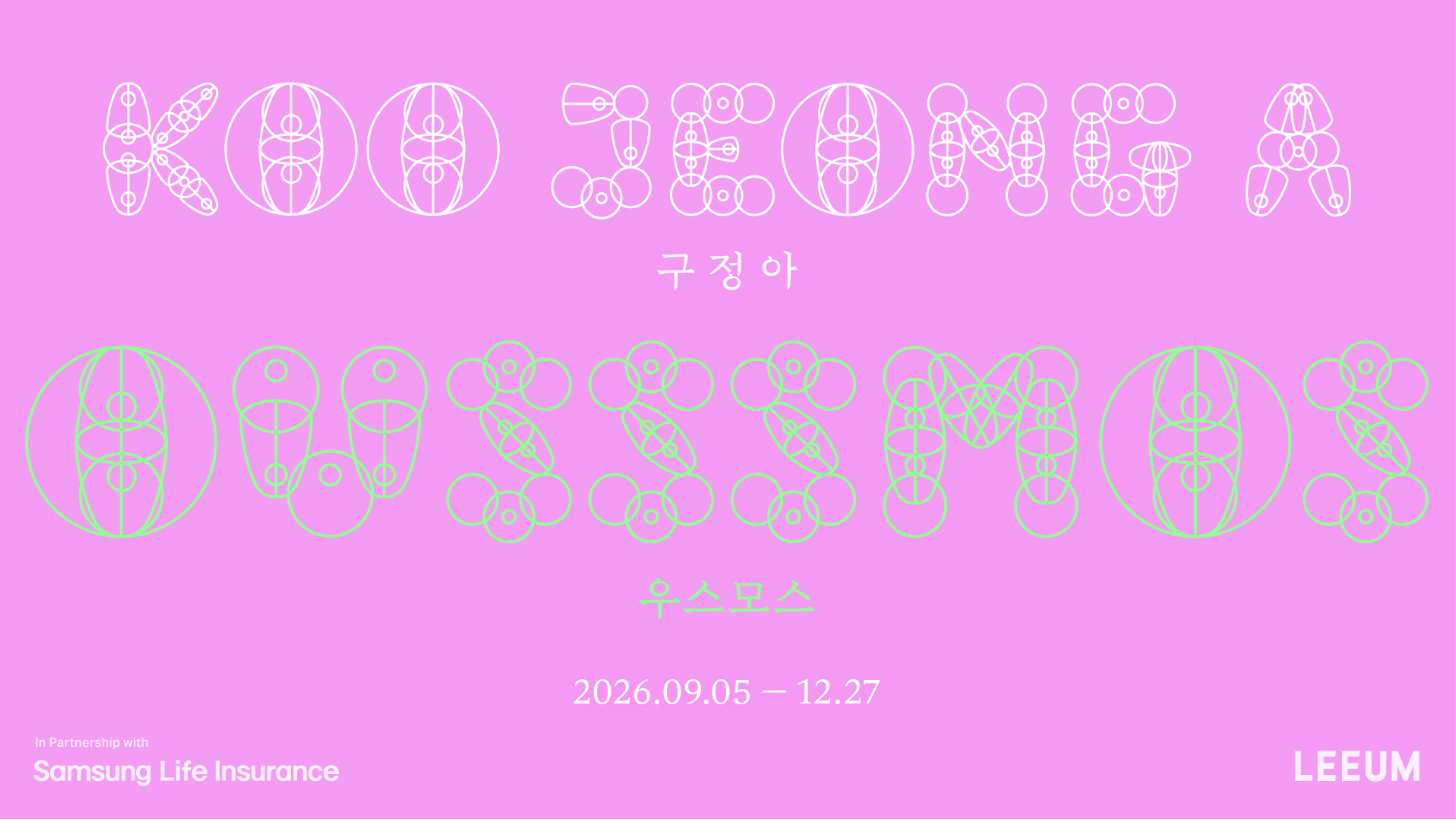
Source: Leeum Museum of Art, official exhibition banner for “Koo Jeong-a: OUSSSMOS”
PKM’s booth focuses on the intangible side of Koo Jeong-a’s practice — phosphorescence, magnets, scent — rather than a single showpiece object, which makes it one of the stranger, quieter booths to slow down for. If it clicks with you, timing is on your side: three days after the fair opens, on September 5, Leeum Museum of Art opens OUSSSMOS, her largest solo exhibition in Korea to date, running through December 27, 2026.
Damien Hirst — Gagosian
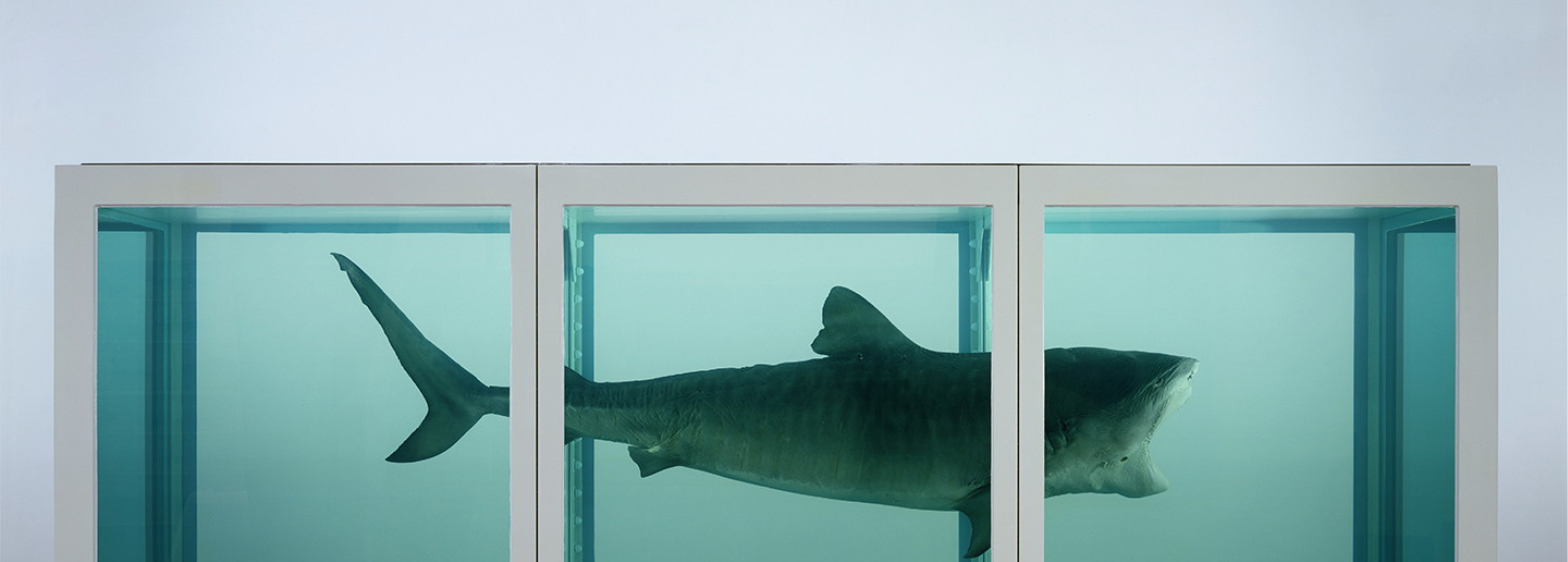
Source: MMCA / e-flux, from Hirst’s 2026 Seoul retrospective at the National Museum of Modern and Contemporary Art
Gagosian is giving Hirst a solo presentation spanning pill cabinets, spin paintings, and spot paintings — four decades compressed into one booth. Worth knowing if you were hoping to also catch his museum show: his MMCA retrospective (which included the shark above) already closed on June 28, 2026, so the Gagosian booth is your only shot at seeing his work in person during fair week.
Yayoi Kusama — Ota Fine Arts
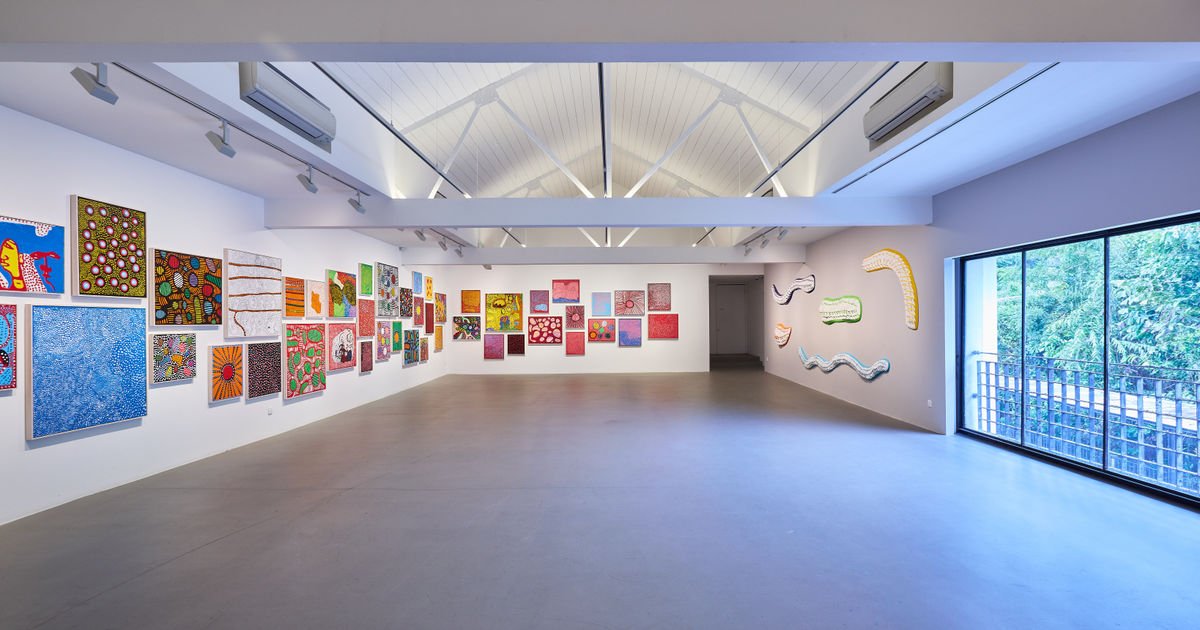
Source: Ota Fine Arts, installation view of “Every Day I Pray For Love”
Ota Fine Arts is showing Kusama’s dots-and-nets paintings, including work from her ongoing Every Day I Pray for Love series, which layers handwritten text over her usual repeating motifs. No separate Kusama museum show is confirmed in Seoul this year, so the booth is the place to see her work in person during your trip.
Glenn Ligon — Hauser & Wirth
Source: Hauser & Wirth
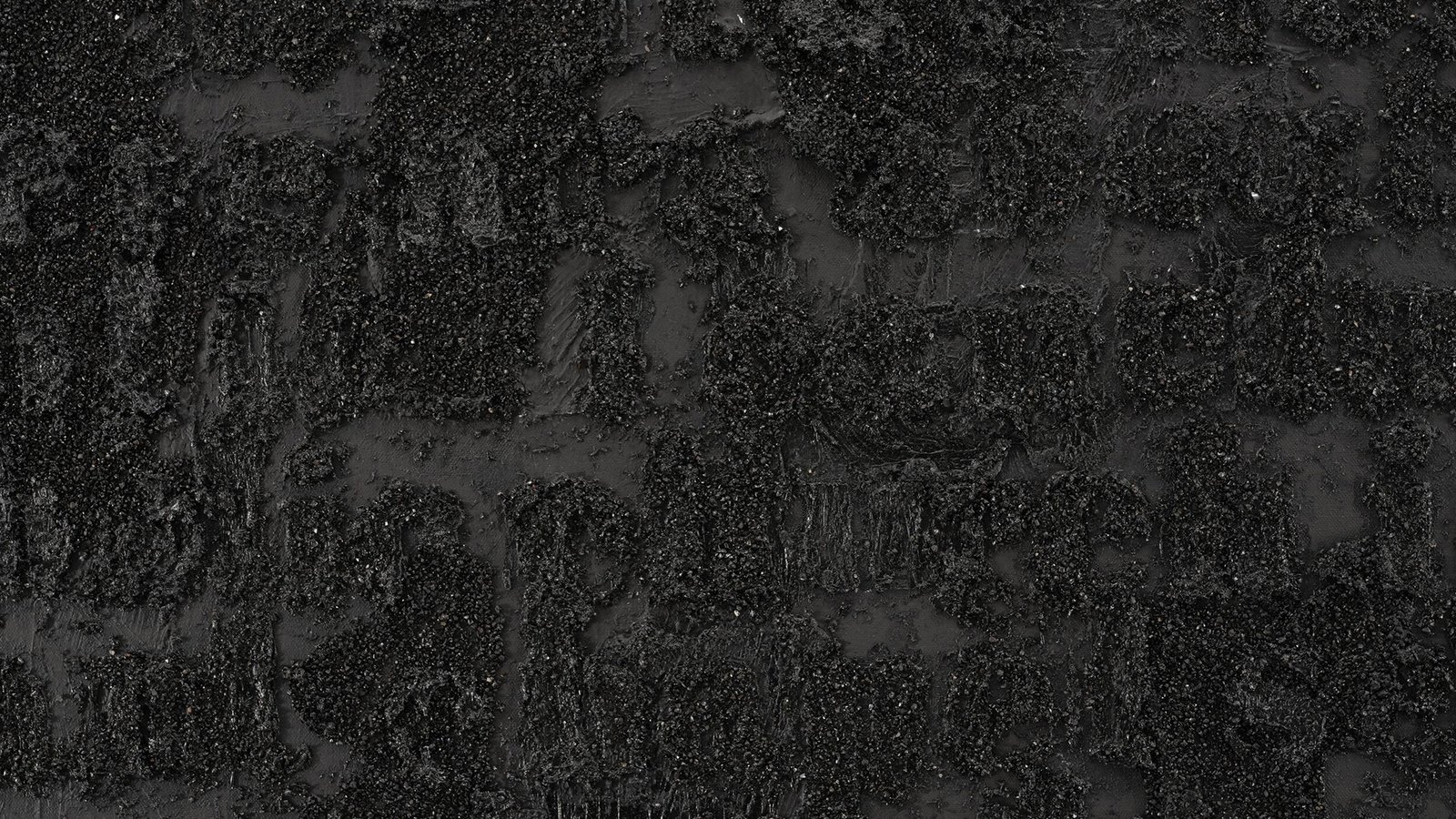
Ligon works in text — neon signs, stenciled paintings — built around American identity and history, and a piece like Double America 2 reads instantly even without any art-world context. Hauser & Wirth’s booth carries that same text-driven language. If you want to go deeper, his first solo show in Korea, Black Moons, opened July 29, 2026 at the Amorepacific Museum of Art in Yongsan — an easy add-on since it’s in the same part of the city.
Lee Bae — Johyun Gallery
Source: Museum SAN, official exhibition poster for “Lee Bae: En attendant”
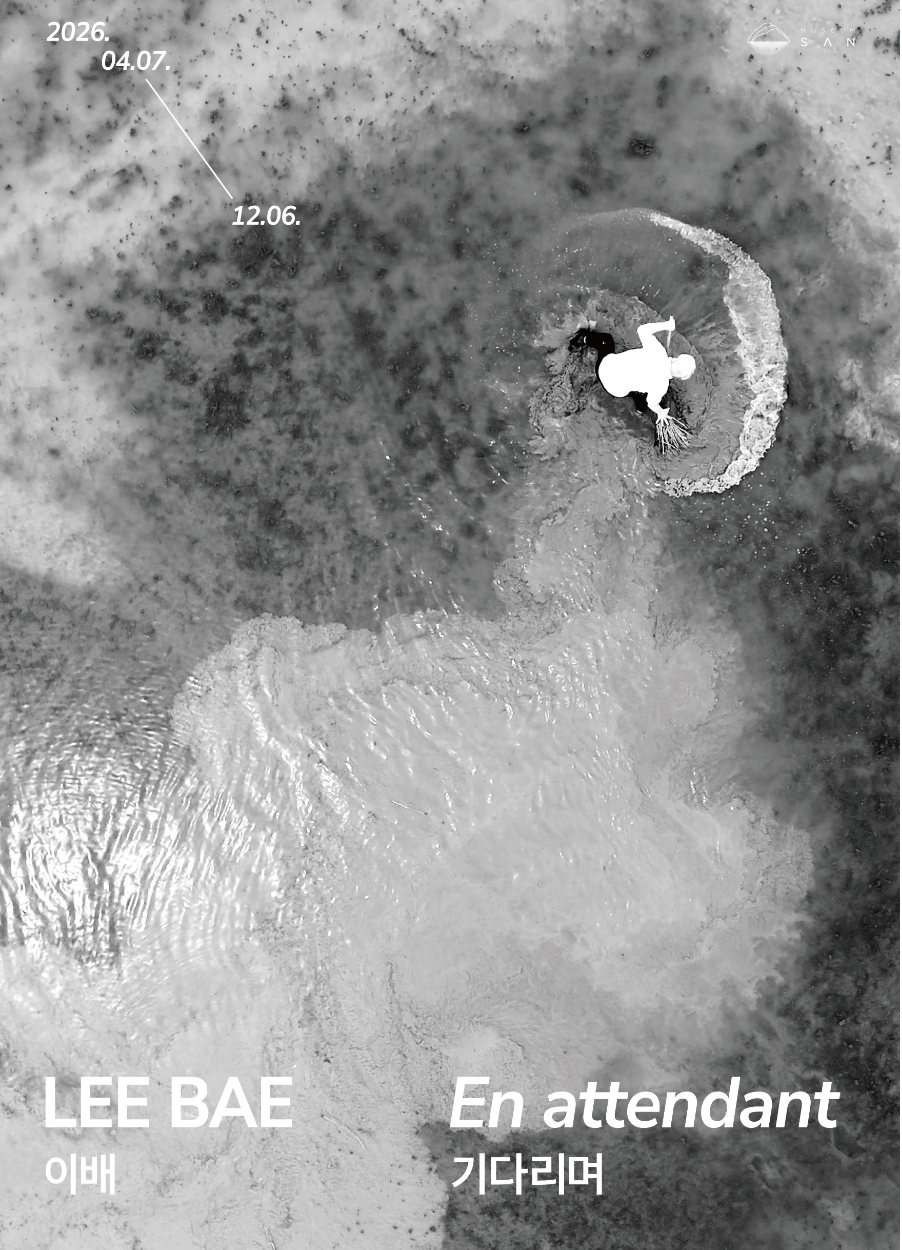
Lee Bae has worked with a single material — charcoal — for three decades, and Johyun Gallery’s booth carries sculptural pieces from that practice. It’s a slower, more textural booth to stand in front of after the shinier presentations nearby. If you have a full day to spare, Museum SAN in Wonju (about two hours from Seoul) is hosting his large-scale solo show En attendant through December 6, 2026 — Tadao Ando’s building alone is worth the trip even before you factor in the art.
What’s New for 2026
A few things separate this year’s edition from previous ones:
- Bigger gallery count. 125+ galleries from 30+ countries, with over 50 exhibitors that already run permanent gallery spaces in Seoul — a sign of how much the city’s own gallery scene has grown around the fair.
- A new “Spotlight” section. Curated by Ko Won-suk, this section gathers 15 twentieth-century artists who’ve historically been overlooked in a Western-centric art history — a deliberate counterpoint to the fair’s usual contemporary-market focus.
- A new “Material Practice” section. This one sits at the intersection of art and design, showing interdisciplinary projects that don’t fit neatly into either category.
- The existing “Focus” section returns, spotlighting galleries under a certain number of years old and emerging artists — this is usually the section worth prioritizing if you want to see work you haven’t already seen written up elsewhere.
Beyond the Fair: Frieze Week Seoul
Frieze doesn’t stay inside COEX. Across the four days, the wider city runs its own parallel program under the “Frieze Week Seoul” banner — Neighborhood Nights at galleries across the city, live performances under Frieze LIVE and Frieze Music, and a film collaboration with the Busan Biennale. None of this requires a fair ticket; most of it is free or ticketed separately through the individual venues.
One project worth knowing about even if you’re traveling with kids and have zero interest in the fair itself: British artist Ryan Gander has hidden 16,000 specially made coins around Seoul as part of a public art project called The Find, with a map available to help people track them down. It turns a normal walk around the city into something closer to a scavenger hunt, and it’s happening in public space, not inside the ticketed fair.
If You Want More: Museum Shows Running at the Same Time
If four days of gallery booths isn’t quite your thing but you still want a serious contemporary art fix while you’re in town, the National Museum of Modern and Contemporary Art (MMCA) opens a major Do Ho Suh retrospective on August 27, 2026, running through February 9, 2027 — so it’ll already be open by the time Frieze starts. It’s billed as the first comprehensive survey of his work shown in Korea, tracing four decades of work centered on home, memory, and migration. Unlike the fair, museum admission is a normal ticket price, not a fair-day pass, so it’s an easy add-on even if you skip Frieze entirely.
That’s just one of many — Seoul’s museums and galleries time their biggest openings to land in the same week as the fair on purpose. I’ve mapped out 16 exhibitions worth seeing during Seoul Art Week, grouped by neighborhood so you can route them without crisscrossing the city.
FAQ
Is Frieze Seoul the same thing as Kiaf Seoul?
No — they’re two separate fairs that happen to run at COEX in the same week, sometimes called “Seoul Art Week” together. Kiaf Seoul (the Korea International Art Fair) is Korea’s own long-running fair, generally with more accessible pricing across the booths, and it has its own separate ticket. If you only have time for one, Frieze skews toward blue-chip international galleries, while Kiaf has a stronger concentration of Korean galleries.
Do I need to buy tickets in advance?
Yes. The discounted early-bird tiers for 2026 are already gone, and fair days can sell out entirely closer to the date. Buy directly through frieze.com.
How much time should I plan for a visit?
Budget at least 2–3 hours for a proper walkthrough of the booths. If you want to catch any of the Frieze Week side events too, plan on treating it as most of a day.
Is there a dress code?
No formal dress code. It leans toward well-dressed gallery-and-collector crowd on the preview days, but nobody will stop you at the door for what you’re wearing on the public days.
Where should I stay if I want to be close to COEX?
Gangnam and the areas immediately around COEX put you within walking distance. I’ve written a fuller comparison in my guide to Seoul’s best neighborhoods to stay in if you’re still deciding on a base for your trip.
Bottom Line
Frieze Seoul is worth building a day of your trip around if you’re even mildly curious about contemporary art, or if you just want to see Seoul’s gallery and collector scene up close for a few hours. It’s not cheap — factor the ticket into your budget the same way you would a major museum or a day tour — but a First Access ticket on Friday or Saturday is the easiest, least crowded way for a first-timer to do it. If art isn’t really your thing, it’s still worth knowing the dates, since COEX and the surrounding Gangnam blocks get noticeably busier during the fair.
Pingback: 16 Seoul Exhibitions Worth Seeing During Frieze Seoul Week 2026 - SeoulScout