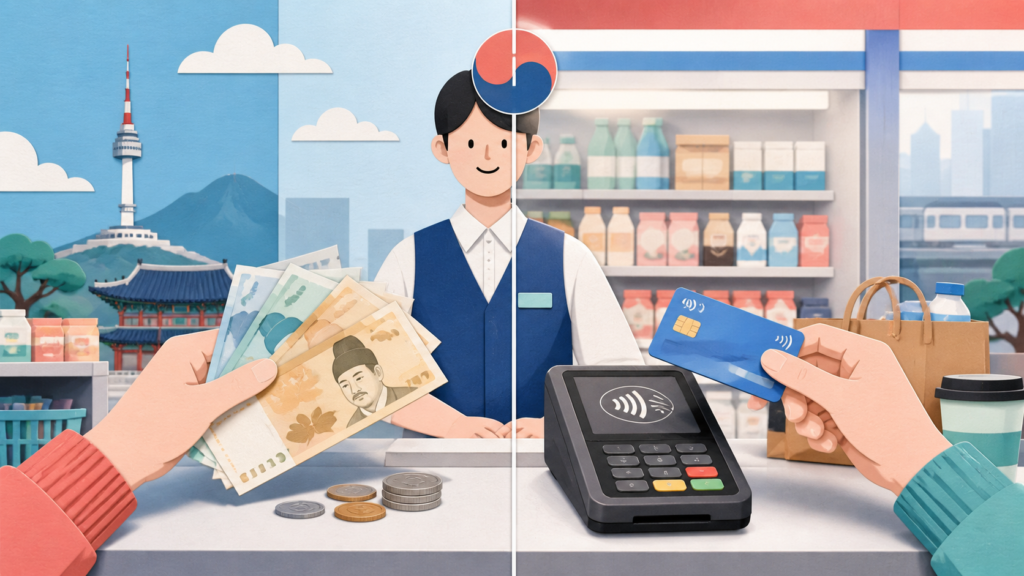
Cash vs Card in Korea: What Tourists Need to Know
TL;DR: Cards work at most cafés, restaurants, convenience stores, and taxis in Korea. Keep cash for traditional markets and small

TL;DR: Cards work at most cafés, restaurants, convenience stores, and taxis in Korea. Keep cash for traditional markets and small

TL;DR: Some fast-casual restaurants offer touchscreen kiosks with an English option, but language support varies by chain and branch. At
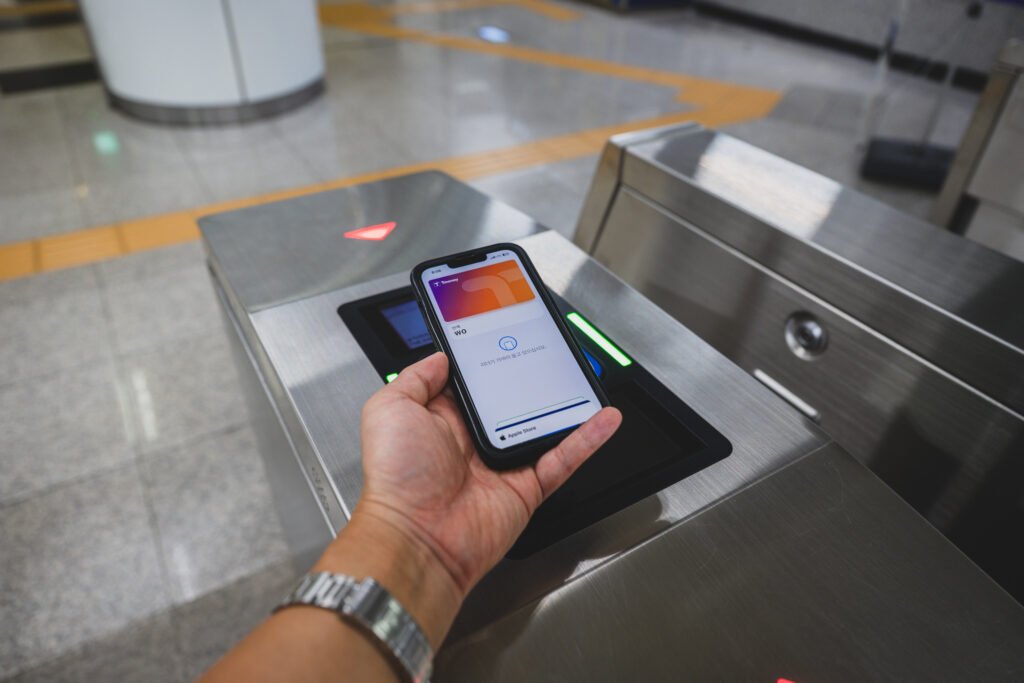
TL;DR: Buy a T-money card at any convenience store (GS25, CU, 7-Eleven) for 2,500–4,000 KRW, or at subway station machines.
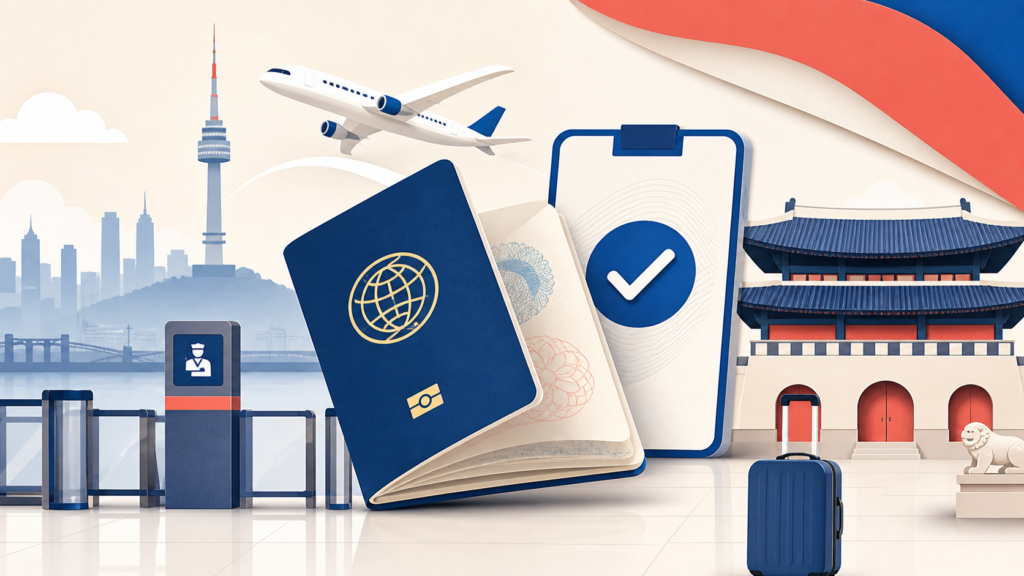
TL;DR: Visa and K-ETA requirements depend on your passport and travel purpose. Some visa-waiver travelers are temporarily exempt from K-ETA

Tipping is not generally expected in Korea at restaurants, taxis, hotels, or salons. A sincere thank-you is usually enough; check
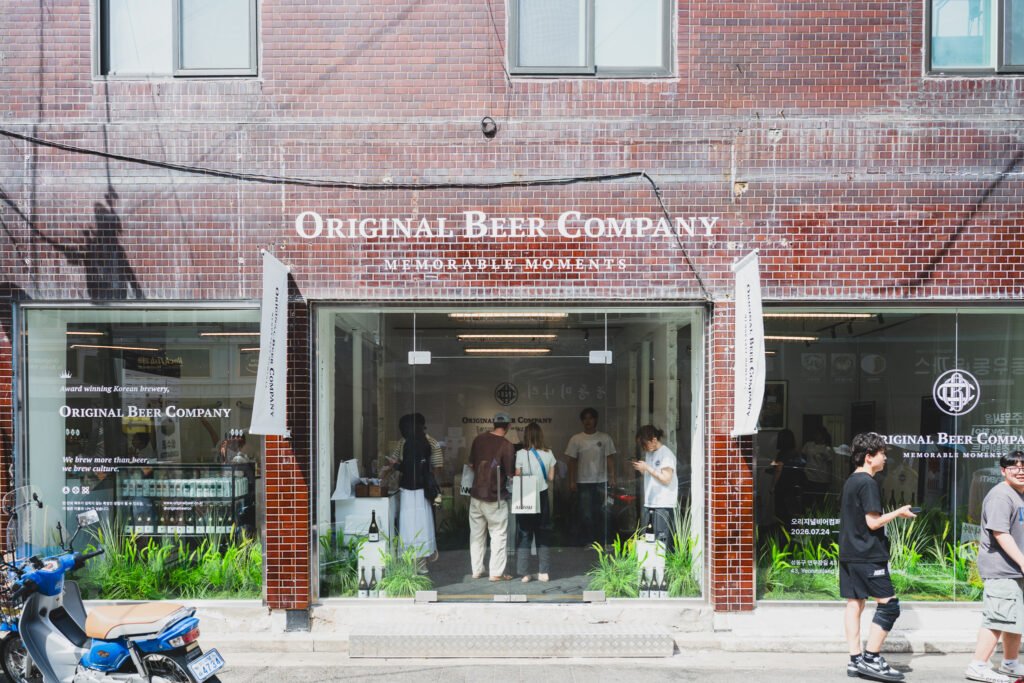
TL;DR: Seongsu-dong is a former industrial neighborhood with converted warehouses, specialty cafés, rotating brand pop-ups, and design and lifestyle shops.
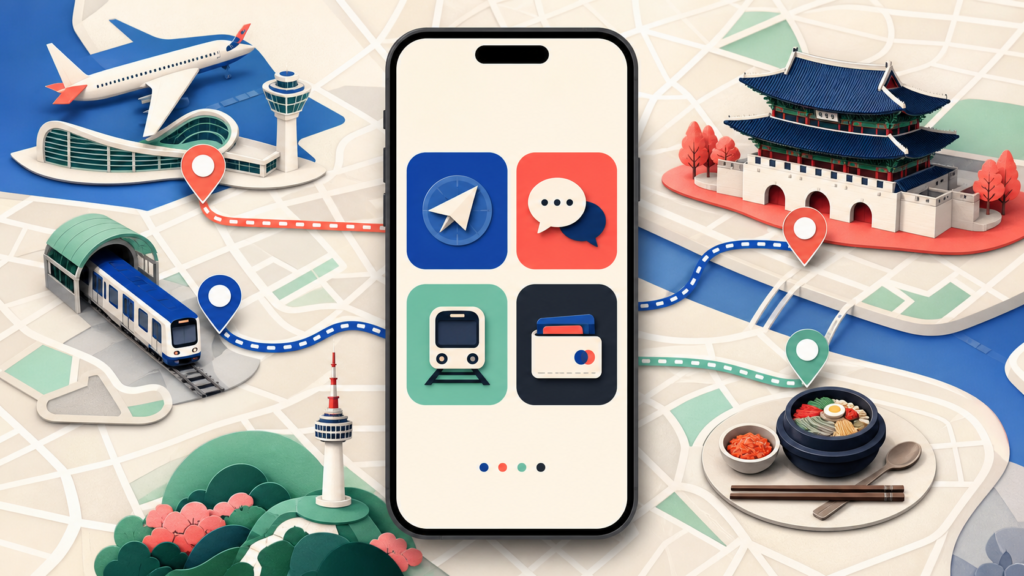
TL;DR: Naver Map is a useful first choice for local directions and transit, Kakao T can help with taxi hailing,
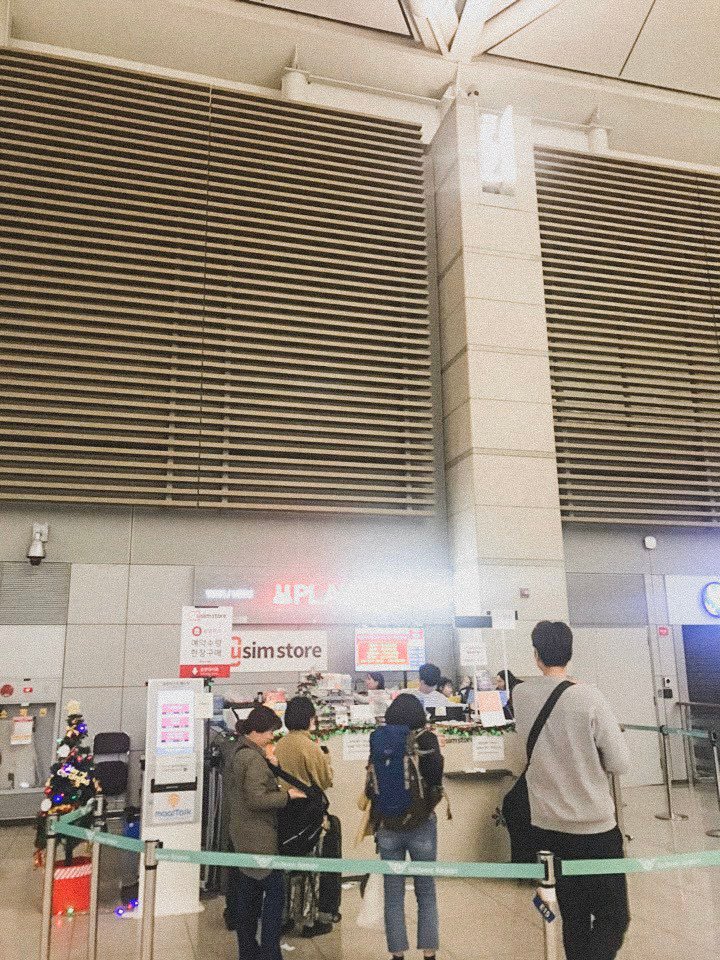
TL;DR: If your phone supports eSIM, get one — plans start around $1.15–6 for a few days and you can
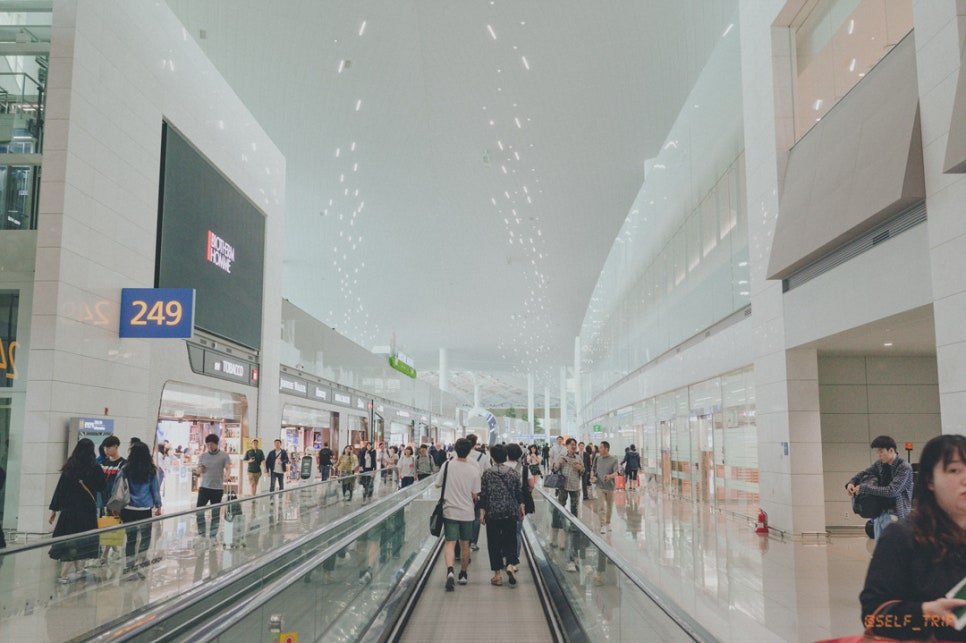
TL;DR: The AREX all-stop train is the cheapest way into Seoul at 4,750 KRW from Terminal 1 or 5,350 KRW